
Heroes And Villains Don't Exist
The Myth Built For The Masses

Most stories consist of a hero and a villain. This happens because every good story needs tension and excitement to hook the reader. The hero is usually a magnanimous character that represents the good in the world, specifically written for the reader to draw themselves into. The villain is oftentimes a form of evil, or a societally normative idea of evil. This draws disdain and sometimes hatred from the reader towards the villain, because every human wants to be on the right side of the story.
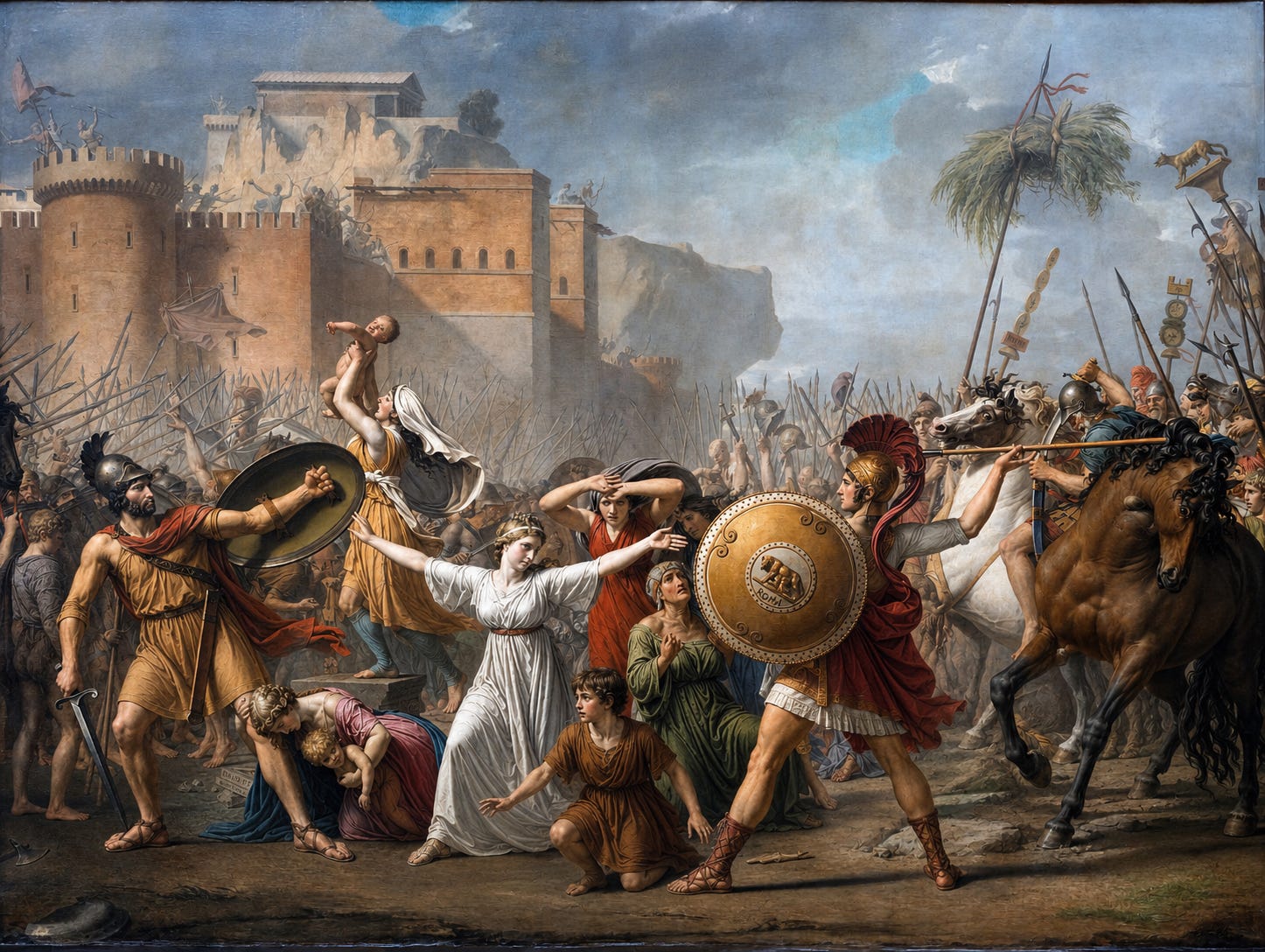
While this is a useful story device in fiction, it is simply that — fiction. In reality there are very few true heroes and true villains. Especially in the great institutions of power in a society or country, there are no heroes or villains. Politics and power operate within an ambiguity that most people cannot understand.
Most people are conditioned to understand the world through a naive lens of heroes and villains. This also clearly distorts the morality of the people, because every society — especially the post-Enlightenment societies — tends to operate in a secular frame of mind when it comes to societal and cultural norms. This in turn obfuscates the moral clarity of the average person, because if a person believes a completely false notion such as most people are good, they tend to be more accepting of perverse norms. Because logically, if most people are generally good, then what most people agree on as good is deemed moral.
The many consume. The few understand.
If you are a free subscriber you have only been reading 1/2 of our content. Become one of the FEW upgrade your subscription and receive these privileges…
Access to Foundational Works — PT’s exclusive long-form series unavailable to free readers
New full essays every Tuesday and Thursday, with potential weekend pieces
Direct Influence what we write about next in the subscriber-only chat
Full archive access — every essay, every framework, every structural analysis PT has published
Become one of the Few for only
$12$8 a month or$120$80 a year
This is important in our age because if a political ideology can get the masses on its side through emotional messaging, it can claim to be moral because many people believe in its ideas. Once the supporters are ideologically aligned, they can be turned on a figure because they believe their cause to be moral, and if someone is against them, then they must be an immoral villain. It is also easier still to make them hate the “villain” because they project their perceived experiences of villains onto that figure, which in turn reinforces their belief that they are righteous in their cause.
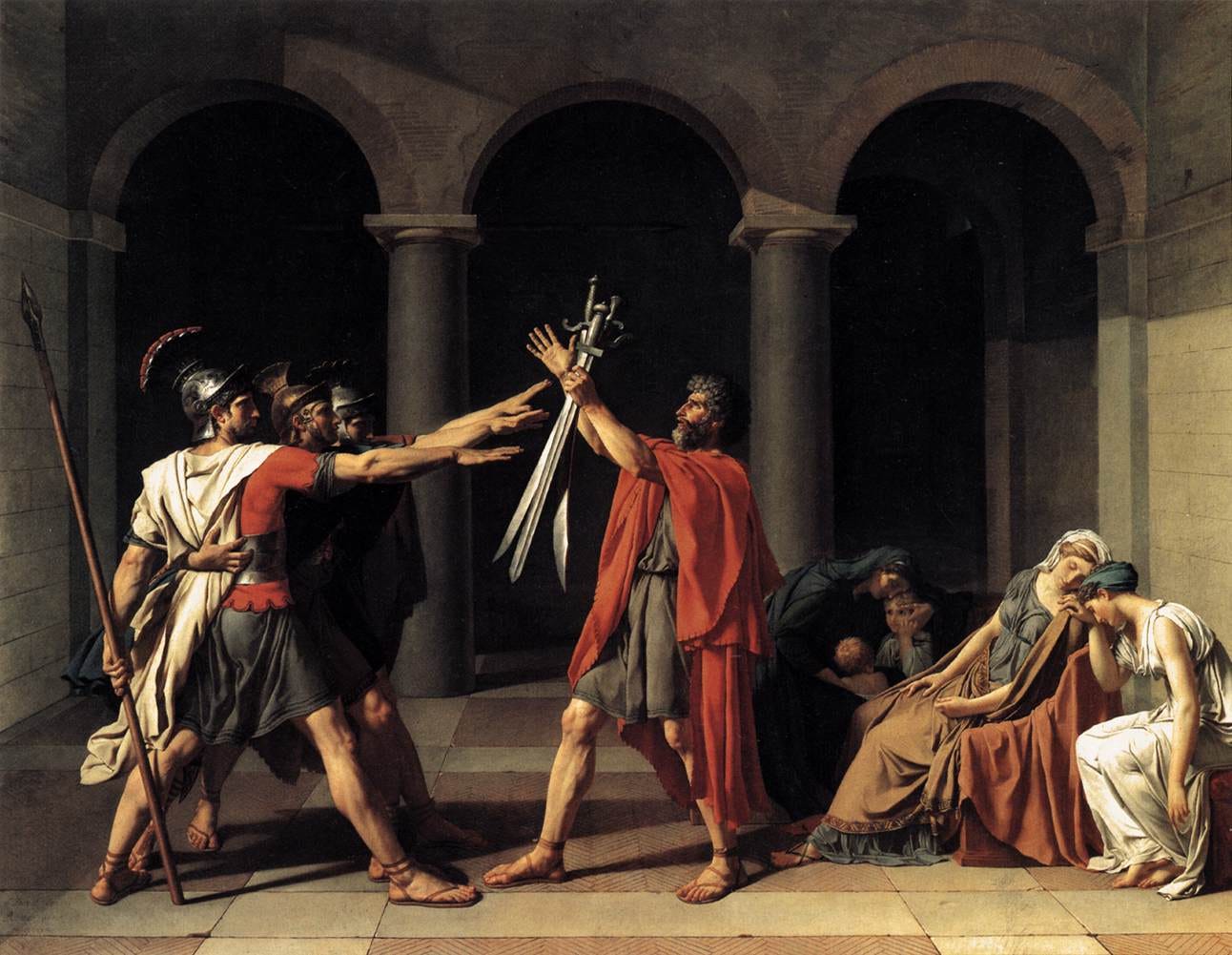
This is generally done in a controlled way in civilized society, not a fanatical or extremist path, because fanatical zeal can often make supporters behave irrationally and in an acceleratory manner that could destabilize the political order and a country’s government. So the issues tend to be more mundane, yet still enough to draw on the villain caricature built into the minds of the ideologues.
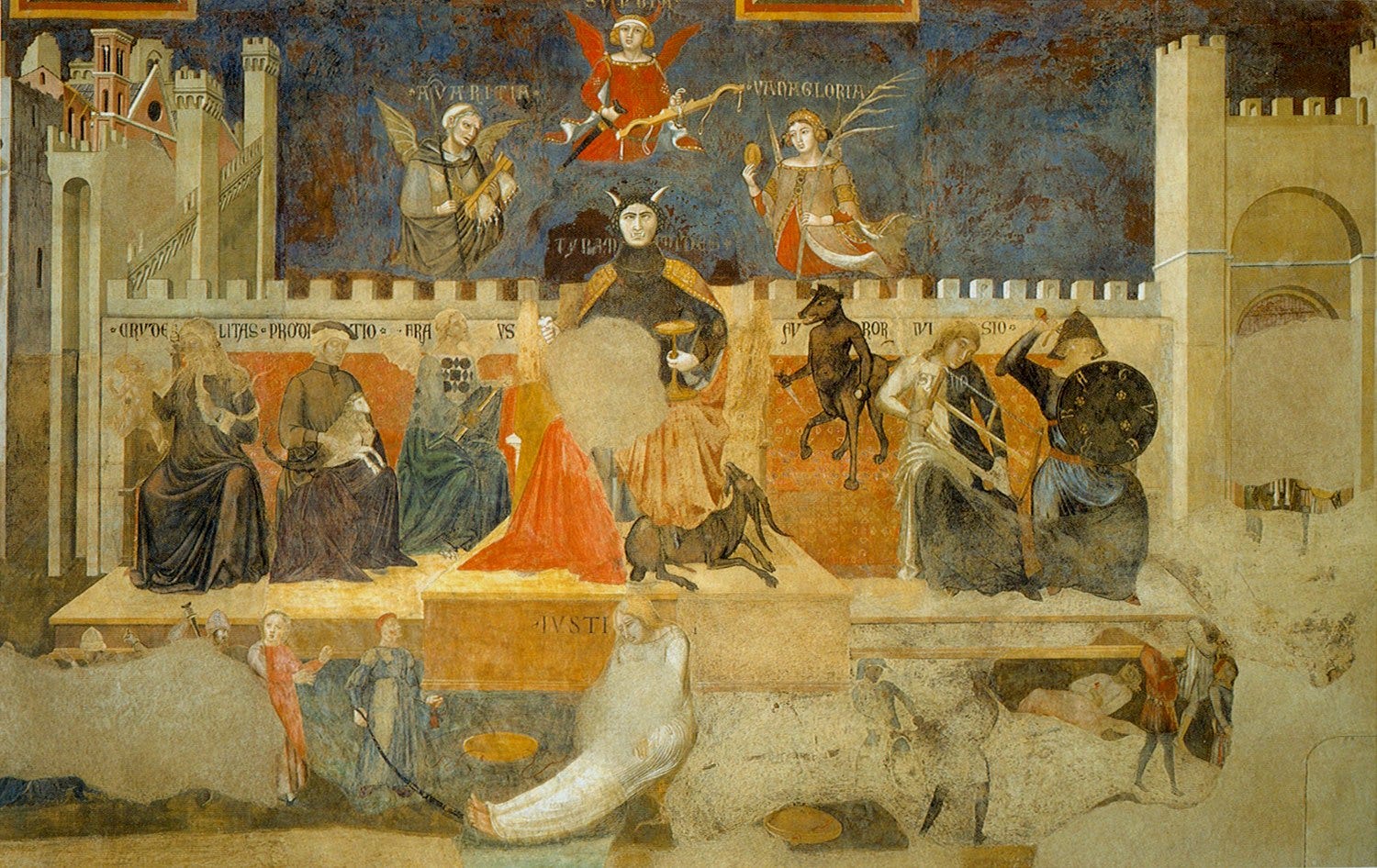
This of course is not exclusive to a specific side of the political equation. It tends to happen on both sides, because the masses love to blame everyone else for problems they already have or actively contribute towards. This is effectively used by both sides in the current political orders in the west, often presented as left vs. right. This is an extension of the us vs. them mentality that has ruled the hearts and minds of men for all of human history. Instead of warring tribes, it is now a mass political divide.
In reality, the only people this caricature helps are those in power, because it allows for political maneuvering to avoid making any drastic changes to the current power structure. It also gives politicians and those who control them the ability to drum up mass support with issues that remained unsolved because of the divide, to win more elections.
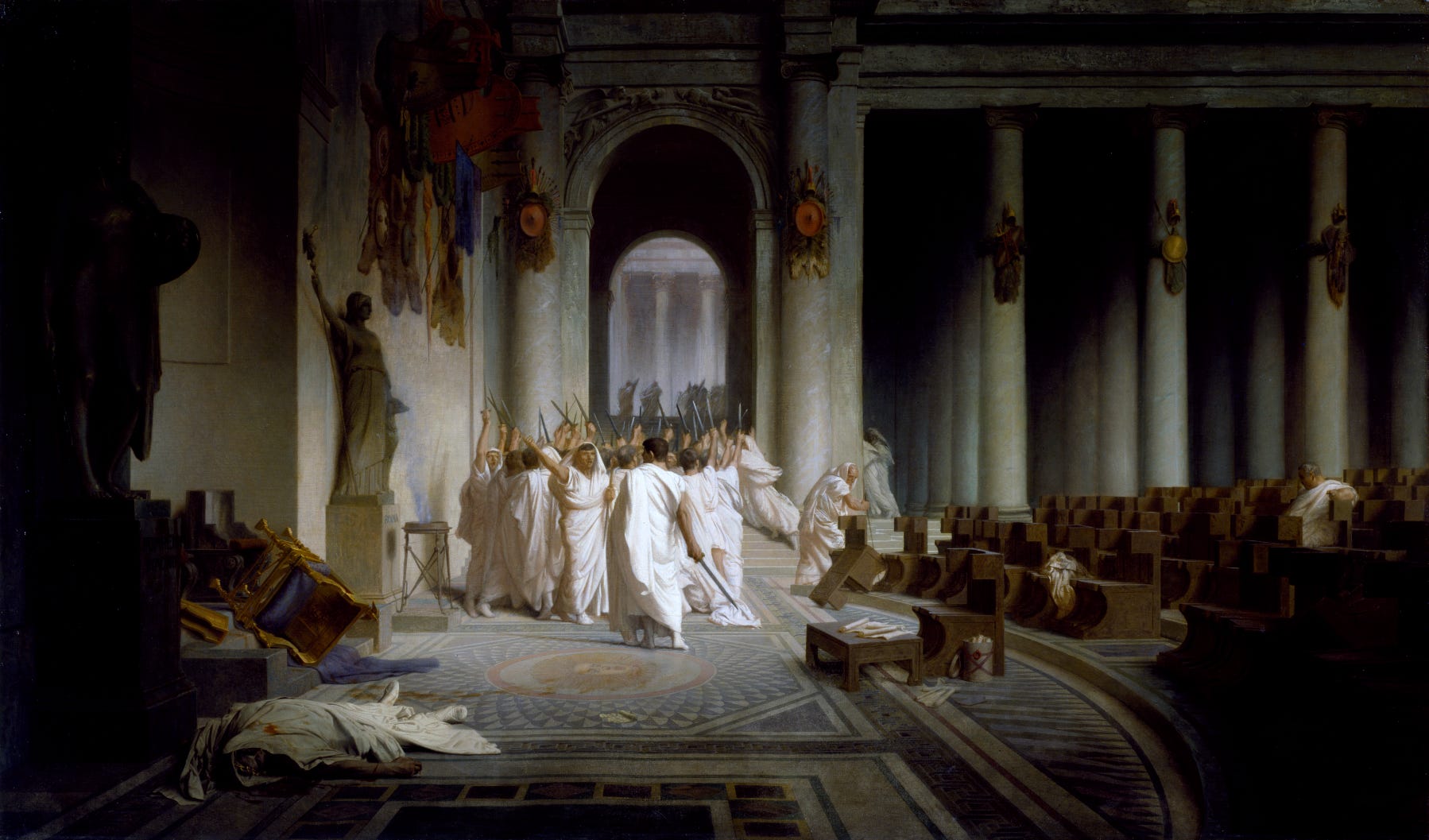
There are no heroes or villains in politics — there are people. These people have the same contradictions within themselves that every person possesses. These people are rational actors attempting to gain more power and influence for themselves, and many will do whatever it takes, including lying constantly and literally calling another person evil and implicitly inciting violence on them, because it will grant them more power.
Morality has no part in modern politics and power. It is used as a rhetorical tool to legitimize a person’s power and influence through election by the masses. Many will understand this message yet still believe morality governs politics. In reality, statesmen and those in power have always used morality to solidify and expand their control over a society.
"The other side is evil! They want to LITERALLY destroy society!" Literally, huh? That is -literally- their goal, is it? Oh and centrists are complicit in the destruction of society as well. They're morally culpable. Obviously. I feel we are racing towards some civil war between self-radicalized idiots. World War Stupid.
Perhaps the most dangerous illusion is not that heroes and villains exist, but that they exist only among other people.
Most human beings carry both possibilities within themselves.