
Loyalty Has an Expiration Date
The Logic Behind Betrayal, Power, And Conditional Loyalty

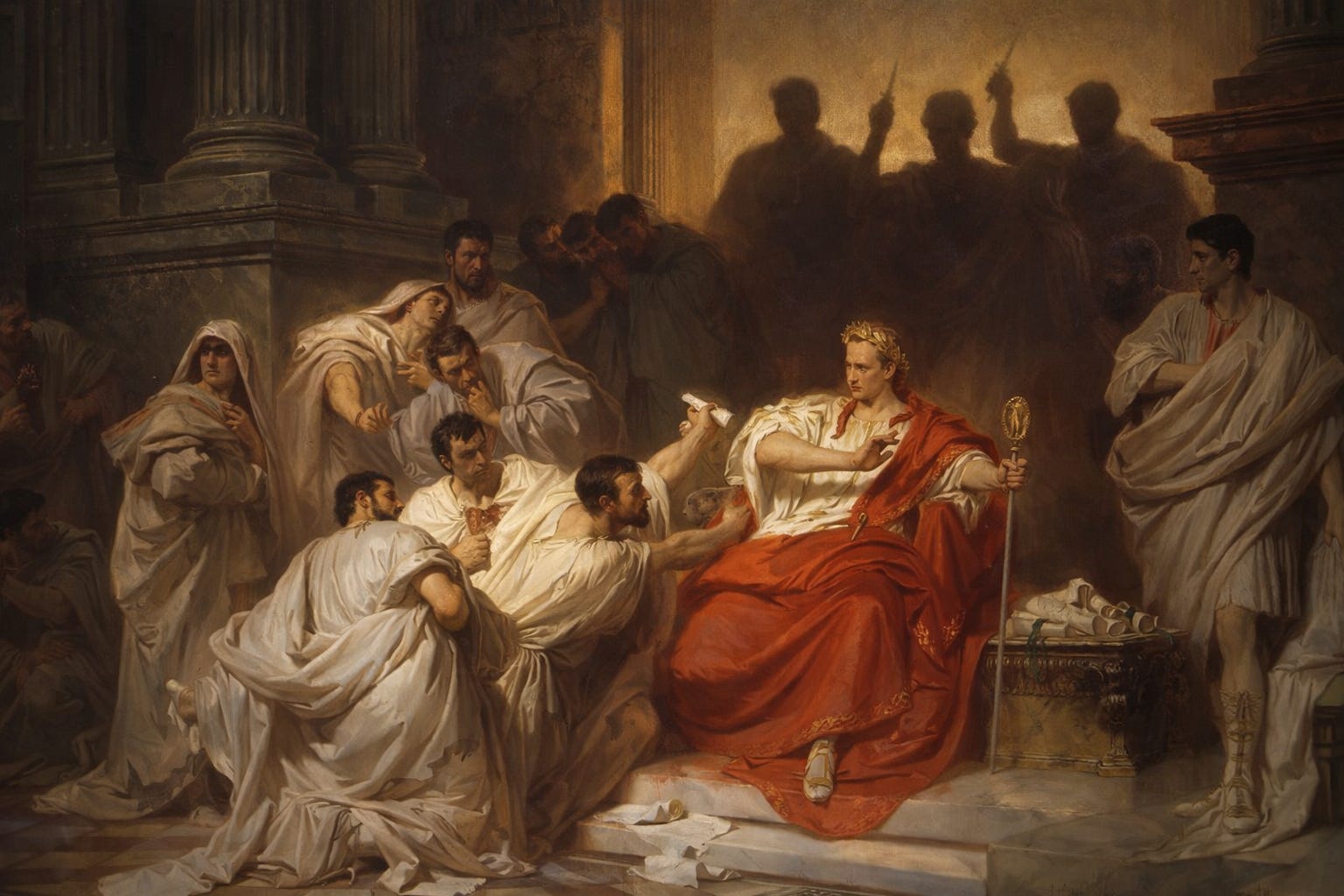
Loyalty is treated as a sacred moral virtue. Loyalty is moral and virtuous on its own in theory. A true friend or companion who will not leave when it is convenient. A person who would never even think about betraying you, even if it improves their life considerably. A person who would honor their word to you, even if it risks their well-being or life. Loyalty is a true moral virtue, and anyone who possesses this quality is worth more than a vast amount of riches and wealth.
Theories are kind and a comforting thing to think about, but reality is what the world actually operates on, not theory. In reality, it is understood intrinsically by everyone, whether they consciously know it or not, that loyalty is conditional. A person will not be loyal for nothing; they must have an incentive to become loyal and to stay loyal to you. That is how the world operates in reality. Reality is not an ideal situation, but it is one everyone lives with. In reality, human nature is self-serving, attempting to extract the best possible outcomes for itself, no matter the cost to others. If one cannot accept this fact, they are blinded and incapable of understanding how reality functions.
If one carries a baseline worldview that most people are good and moral, they will never be able to see power at work. Power, in gaining it and maintaining it, embodies the very essence of human nature: self-interested outcomes that care not about the effects on other people and those around them. This has been demonstrated throughout history many times.
Alcibiades was Athens’ most gifted general. Celebrated, trusted, and politically powerful. When Athenian rivals moved against him, he defected to Sparta, Athens’ greatest enemy, and gave them the intelligence needed to devastate his own city. When Sparta became inconvenient, he defected again to Persia. He never served Athens, Sparta, or Persia. He served Alcibiades. The city that celebrated him was nearly destroyed by him. Loyalty had nothing to do with it. Survival and advantage did.
Cardinal Fouché served the Revolution. Then Robespierre. Then the Directory. Then Napoleon. Then the Bourbon monarchy after Napoleon fell. Every regime change, Fouché survived by selling the previous regime to the next one. He was never loyal to a cause. He was loyal to his own continuity. Each master believed they had his loyalty. None of them did. He outlasted them all.
Pompey and Caesar were allies for years. They shared power, resources, and political cover through the First Triumvirate. The moment Caesar’s position weakened relative to the Senate, Pompey aligned against him. Years of alliance dissolved the instant the incentive structure changed. There was no betrayal in Pompey’s mind. There was only the next calculation.
History is not subtle about this. The incentive changes. The loyalty disappears. Every time.