

And covenants, without the sword, are but words, and of no strength to secure a man at all.”
–Thomas Hobbes, Leviathan, Part II, Chapter 17
This phrase by Hobbes is a critical insight. If one wishes to uphold their government, ideological, and philosophical structure, they must be able to defend it. Obviously the sword is not always literal; ideologically and philosophically, that “sword” in a civilized society takes shape in power, influence, and the ability to effect change for the future of a society. The sword can also be quite literal, as it was in the time of Hobbes.
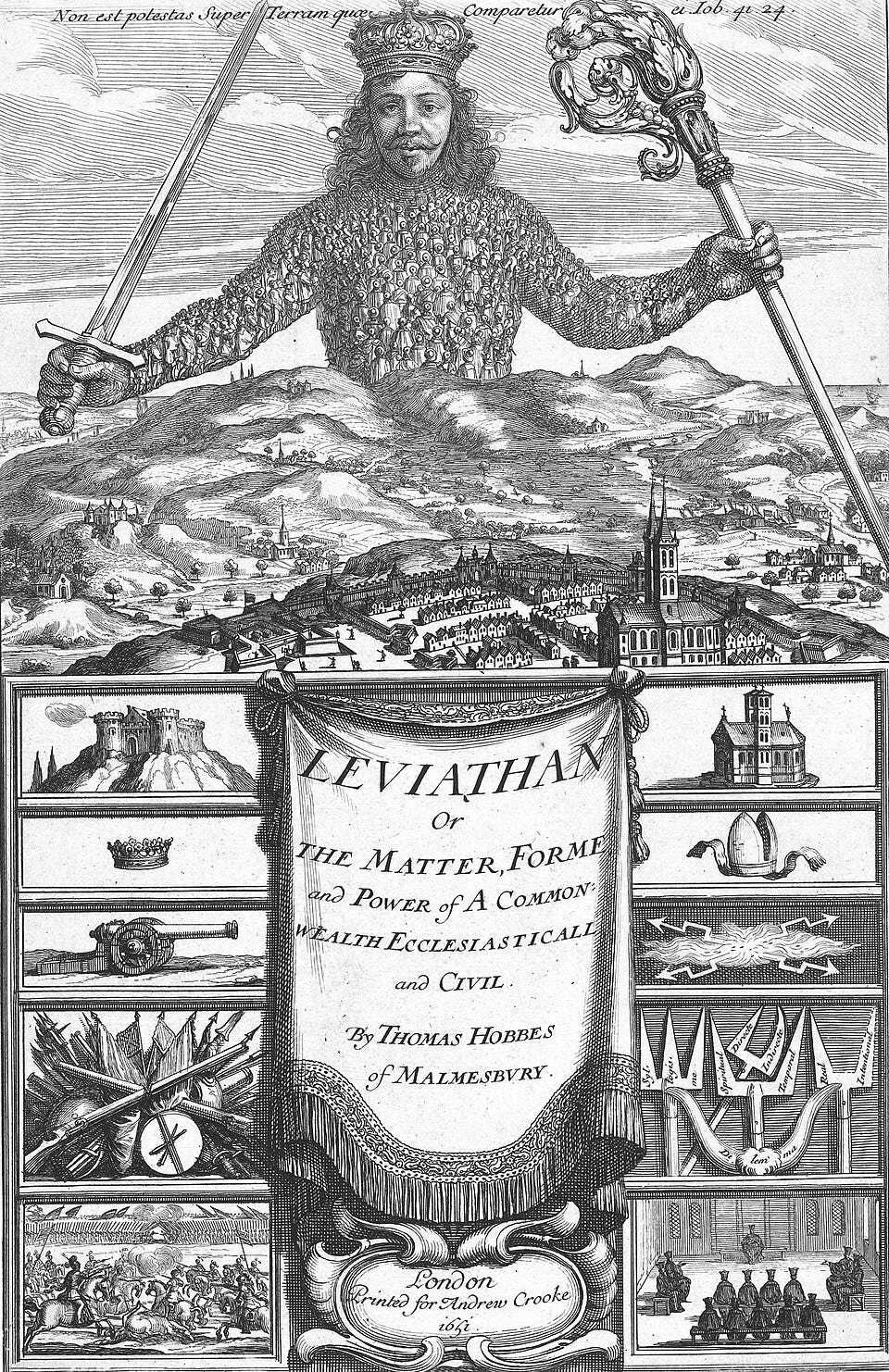
For instance, for a government to uphold its words and laws, it must quite literally use force to do so. It is also paramount that a government possesses an adequate amount of force to defend itself from other governments who could attack it. This is the literal sword; it is the state and its ability to remain sovereign even when great powers threaten it.
Ideologically, this “sword” takes a different shape. In representative democracies, which the modern West is governed by, it is all about attaining the majority of votes to either come into power or maintain and grow power. The ideology must first of all be attractive on a mass scale, otherwise it will fail, but then, after it gains momentum and assumes mass adoption, it must defend itself, otherwise it will be uprooted by another ideology. This defense takes place across a few different vectors. The first defense is the ability for the ideology to create identity-binding characteristics so that a person who adopts these ideals will defend it. This happens because humans tend to bind their identity to major pillars in their life, and one major pillar is the political nature of a person. This is stronger in some and weaker in others, but it is still adopted as part of their identity. And once an ideology has successfully tethered itself to someone’s perceived self-identity, this person will defend, rationalize, and even performatively signal virtue to others within the ideology.
You’ve been reading the abridged version of our content. Become a Paid Subscriber and access these benefits…
Access to Foundational Works( 15+) — PT’s exclusive long-form series unavailable to free readers
New full essays every Tuesday and Thursday, with potential weekend pieces
Direct Influence what we write about next in the subscriber-only chat
Full archive access (60+) — every essay, every framework, every structural analysis PT has published
Become one of the Few for only $8 a month or $80 a year
These effects are important for that ideology to spread and maintain itself; it is also a built-in defense mechanism that can additionally propagate the ideology if the person is charismatic and charming. The “sword” of ideology is not physical violence, which is unattractive and off-putting in civilized society; it is the ability to bind itself to a person’s perceived identity. This creates the conditions necessary for the transmission and propagation of an ideology. The people are the “sword” of ideology.
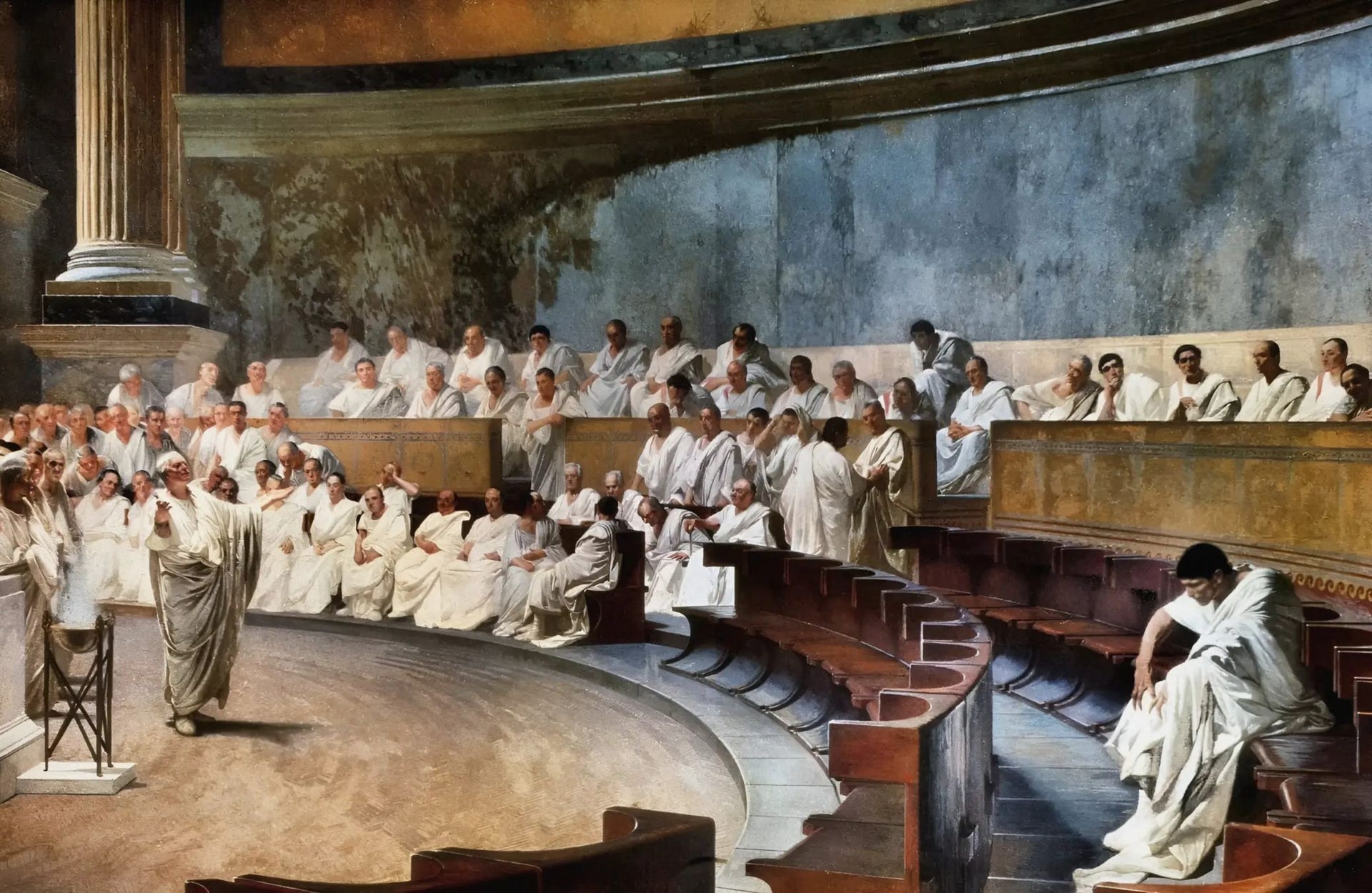
Philosophically, the “sword” is interconnected within the ideological sword. This happens because philosophy, or a worldview, is intrinsic to any ideology. Specifically, though, for the philosophical “sword,” there is a key distinction. Ideology tells a person how to behave politically and what values to espouse, but philosophy is the underlying assumption of how a person thinks. So instead of only saying we need to reform the government to make it fair for all people, the philosophical angle would be a layer beneath that, and with that statement one would have to assume, with no added context, that this person believes a perfect governmental system is possible on earth and that there is a progression humans have made throughout history getting closer to that perfect form. This is the “sword”; it is the unexamined assumptions beneath every statement, the underlying foundational beliefs that shape the thought processes of people. So for a philosophical “sword” to be effective, it would have to be deeply ingrained in a society to transmit itself beneath the surface to everyone.
The philosophical “sword” in modern Western society is liberalism. Every assumption a person makes about life, government, and people stems from the basic premises of liberalism. This is not partisan liberalism either; it is the philosophical foundation for the entire Western societal order. The common pillars go something like this: individuals have inalienable rights, such as life, liberty, and property. This means that these rights are intrinsic and not contingent on a government. This “sword” is deeply entrenched in society, and it is not as easy to locate or uproot as an ideology, because the institutions and power structures still use these assumptions to govern, and they are also deeply ingrained into the founding institutions and laws of society. This is also present in the rituals of a democratic society, as there are debates, elections, and a common consensus that every person’s vote matters.
Build More Than Knowledge. Build a Library.
Most people consume information.
A smaller number collect the works that shaped civilization.
Logos Publishing is a monthly book club dedicated to helping readers build a lasting library of philosophy, history, and political thought. Each premium edition is chosen not simply to be read, but to earn a permanent place on your shelf.
If you’re serious about becoming more educated, start building a library you’ll return to for decades.
Use code PT at checkout for 15% off your first order.
Join the Logos Publishing Book Club Below.
It is now clearly understood that the sword is not so literal in modern societies, because there is no longer barbaric rule in the modern West, and force has been monopolized by the state. It may seem that this has all been relatively spelled out and obvious so far, that the sword rules and it comes in many different forms. In a perfect world, yes, it is all relatively obvious, but in practice people do not think like this.
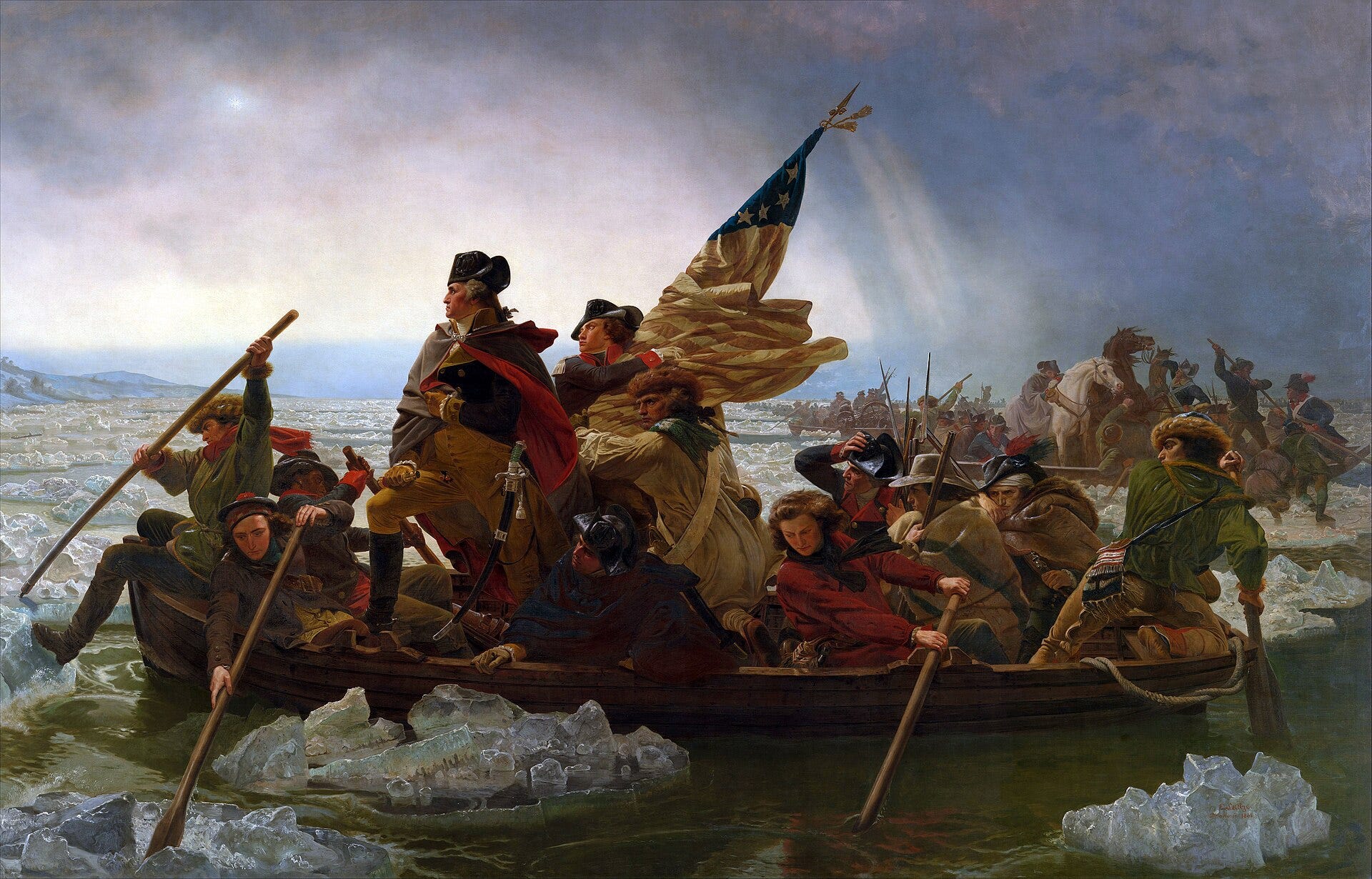
The masses think in terms of principles and are satisfied by idle gestures. They do not fully understand the sword either, because it is somewhat complex in how it presents itself. Even in the concepts already mentioned, there were layers to every sword. The masses do not think in terms of layers; they only see the surface. That is why any average person could have understood the quote’s application to governing affairs, but only a few have ever thought deeply enough to see the sword in the metaphorical yet still very real sense.
This allows cunning men to succeed, because they care not if they lie; they only care about attaining power. This is the “sword” of politicians, statesmen, and political figures that every person must be aware of. They keep their covenant of power through lying, manipulating, and emotionally misleading the masses. Their “sword” is their words and promises. The effective nature of this sword is that they have convinced themselves their pursuit of power and influence is righteous enough that they are not restrained by the bounds of morals at all. Or, if they truly believe themselves to be moral, then they have rationalized themselves into a form of the ends justifying the means. It is also very helpful for these cunning men that the masses are fickle and easily manipulated through emotion and promise. It is also very helpful that it matters not if they lie, because there is always someone else to blame for their misdeeds and broken promises.
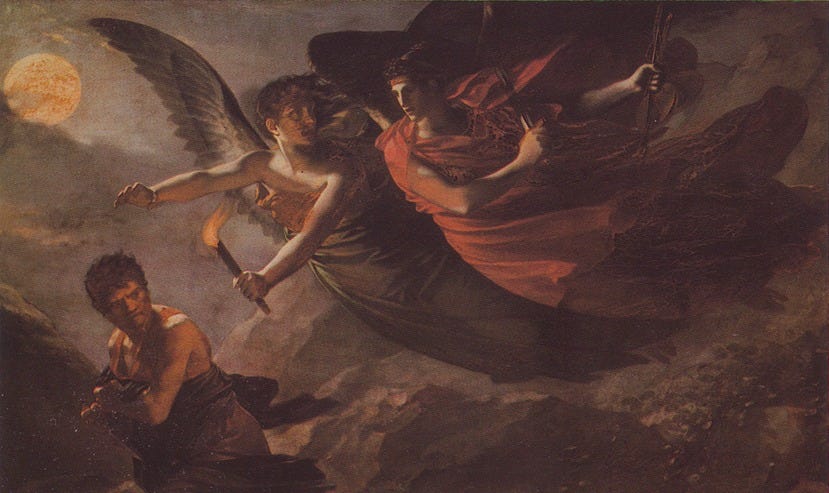
The sword was never one thing. It is force, then identity, then unexamined assumption, then the men skilled enough to wield all three without ever being seen holding any of them. Most people only ever learn to recognize the first kind, the literal one, and so they walk through life defenseless against the other three.
No amount of romanticized ideals or illusion will make the “sword” disappear. Clarity can only tell one where to expect the blow. Civilization doesn’t forget this truth, it simply forgets those who saw it.
One caveat: the masses who see only the surface still, on occasion, tear down walls that philosophers had proven immovable — I watched it happen in 1980 and 1989.