
The Construct That Puts Morally Unbound Men In Power
Why The Few Rise While The Many Remain Trapped In An Illusion They Mistake For Reality

Many people live their lives within a construct of good vs. evil. This construct is inherited from factors such as upbringing or societal norms. It grants the ability to categorize every action in the world or in their lives as good or bad. This is a simple construct that requires no mental acuity or deep thought, it simply prevails. This construct appears in every society in known history. People always judge things on whether they seem right or wrong. This inherited construct is a comforting illusion, but it is not reality.
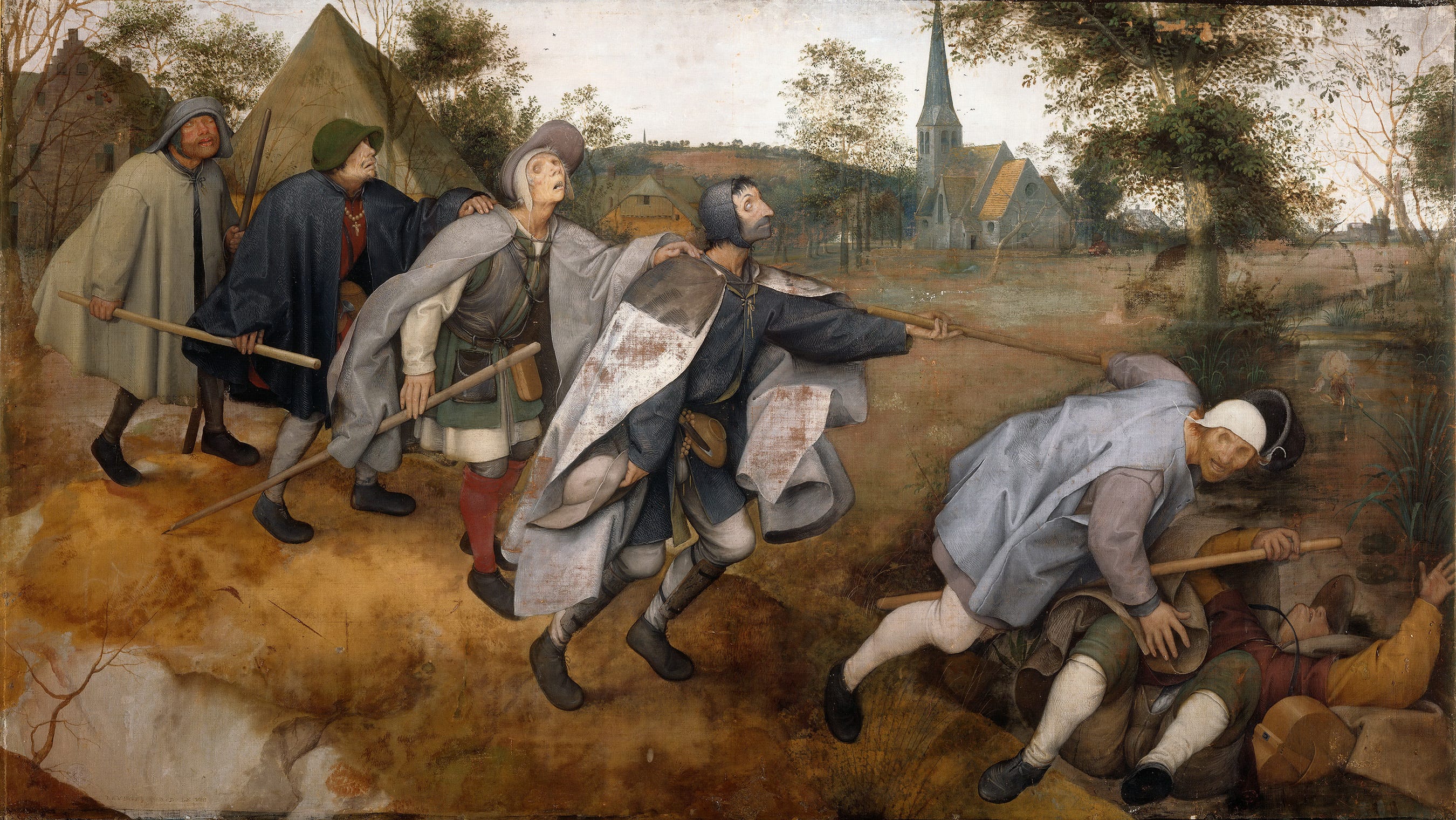
In reality, the people who hold power or take dramatic action to change societies operate in a pragmatic fashion. They do what needs to be done regardless of good vs. evil. They choose to support things that advance their interests instead of judging the results of those interests on moral grounds.
That is why the masses always lose. They are always trapped in a premise of good vs. evil, that is why the same patterns that appear throughout history happen again and again. The people in power, or those who hold positions of influence, do not judge the world based on the constraints of the inherited construct. They act in the world with unapologetic self-interest. That is why they win and the many lose. The many are trapped in a premise that does not apply to the few.
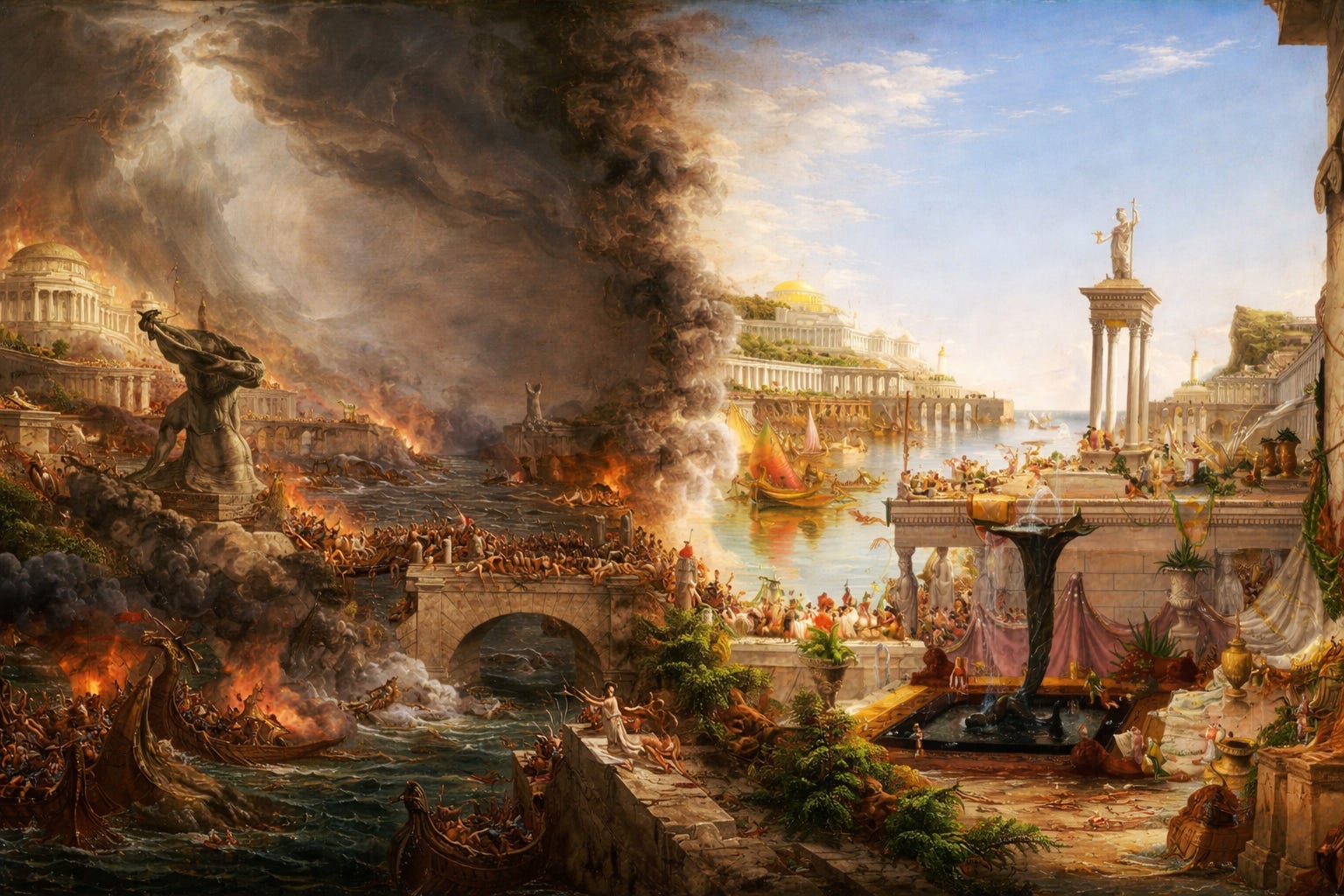
For instance, let us imagine a scenario where one is given the opportunity to serve in political office and is presented with a choice. Either take a corrupt political interest’s money and gain influence and power, or get voted out in the next election. One of the many, trapped in this simple construct of good vs. evil, will not take the money. They will fight very hard to win back the election, even exposing the political interest, but they will ultimately lose. Why will they lose? They do not have the money to back them, so their opponent will outspend them and decimate them in the election. Their opponent has taken the money and advances the corrupt political interest anyway. Now if it were one of the few, not trapped in this construct of good vs. evil, they would have taken the money and accumulated power and influence within a governmental institution. Either way, the interest wins. One either gets decimated for this construct or gains power because they are not constrained by it. This example plays out throughout every governmental body many times over, it also occurs in influential private institutions with a few different details. That is why it always appears that evil people are ruling over the masses. It is not because they are evil, it is because they are not constrained by the constructed illusion that governs the many. They will do what must be done to secure their own interests.
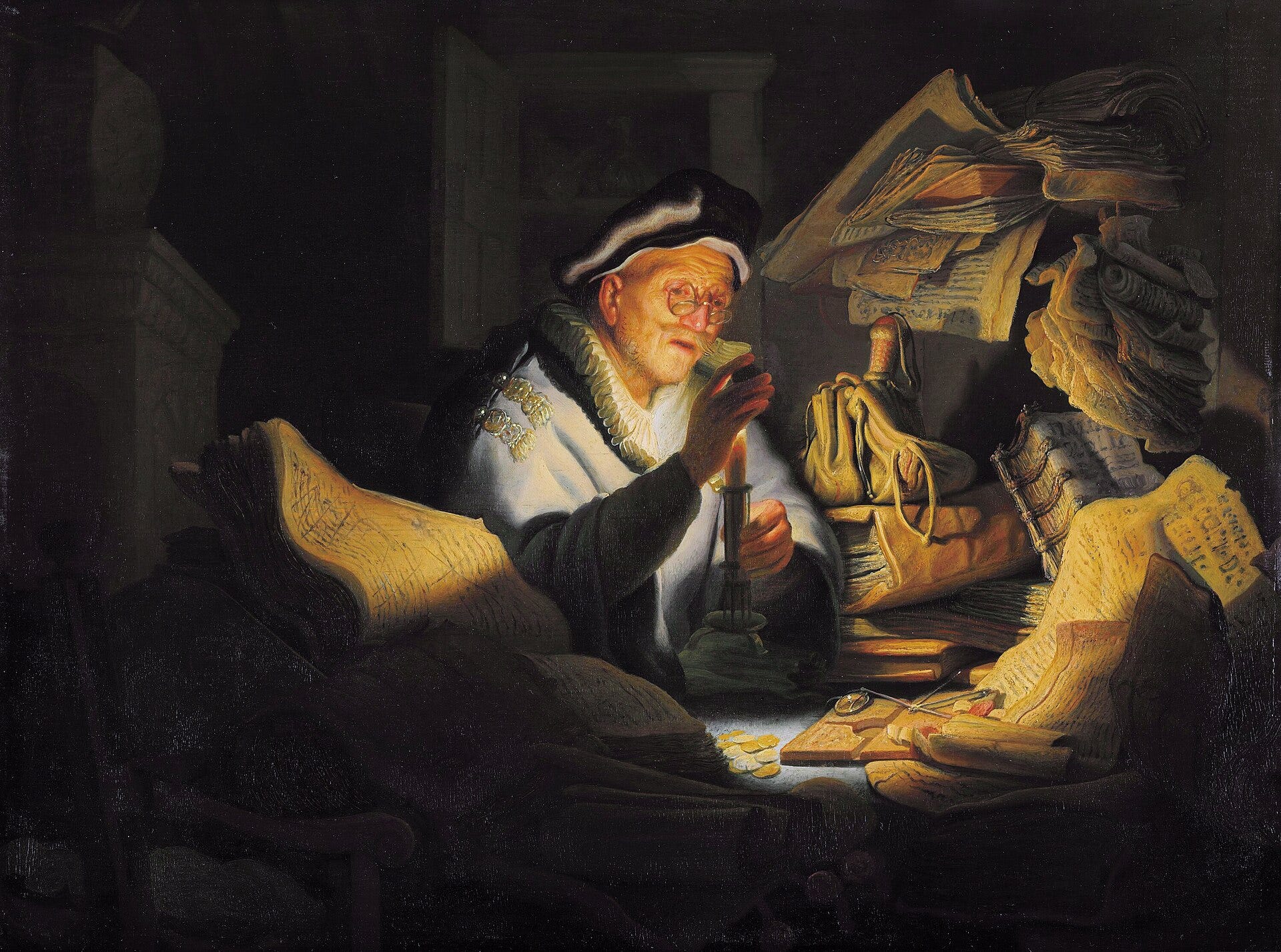
It has been thoroughly demonstrated that those constrained by the inherited construct of good vs. evil will lose to those unburdened by it.
Most will never accept PT not because we are wrong but because they are scared to shatter their illusions and accept reality. That is why we are for the few. The masses will never accept us. The Few will see what the masses refuse.
KNOWLEDGE. REALITY. TRUTH.
Become a paid subscriber and acquire these exclusive privileges reserved for the FEW…
Access to Foundational Works — the long-form structural essays that form the core intellectual architecture behind PT
Paid-only essays every Thursday — deeper analysis unavailable to free readers
Full archive access — every essay, every framework, every structural analysis PT has published. The depth isn’t in any single piece, it’s in the body of work
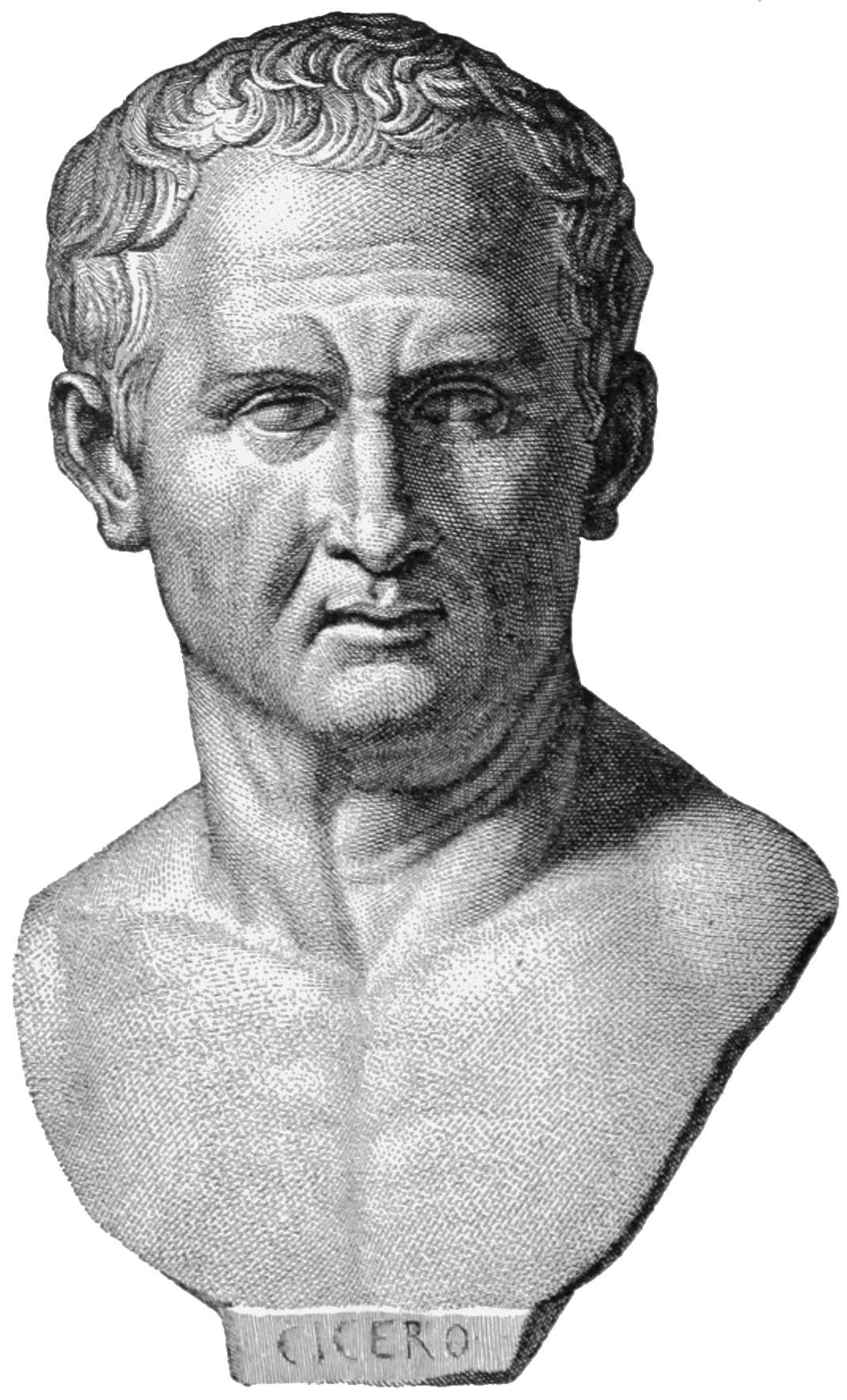
Cicero spent his career exposing corruption and defending the republic on moral grounds, he was outmaneuvered at every turn by men who simply did what was necessary. When Octavian and Antony consolidated power he had no answer for it, his principled opposition meant nothing against their pragmatic calculus. He could not see the situation for what it was, only for what he believed it should be. He was executed in 43 BC and the republic died with him.
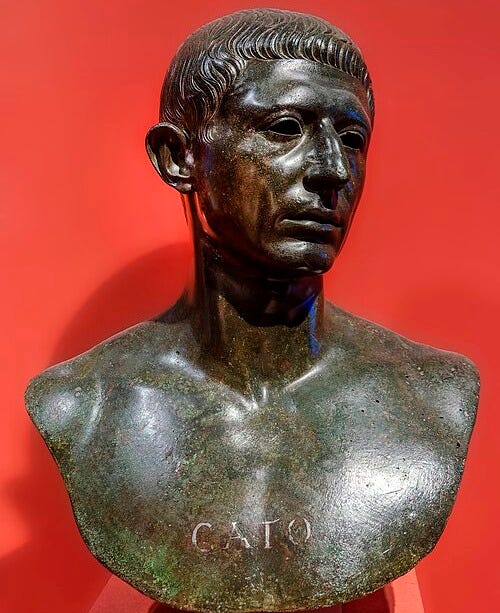
Cato the Younger is perhaps the clearest example in all of history. He refused every compromise Caesar offered, held his moral line absolutely, and chose suicide over living under Caesar’s rule. His perception of the world was so thoroughly shaped by republican virtue that he could not conceive of operating outside it. He died unconquered in his own mind but Caesar won. The construct held Cato perfectly and Caesar not at all.
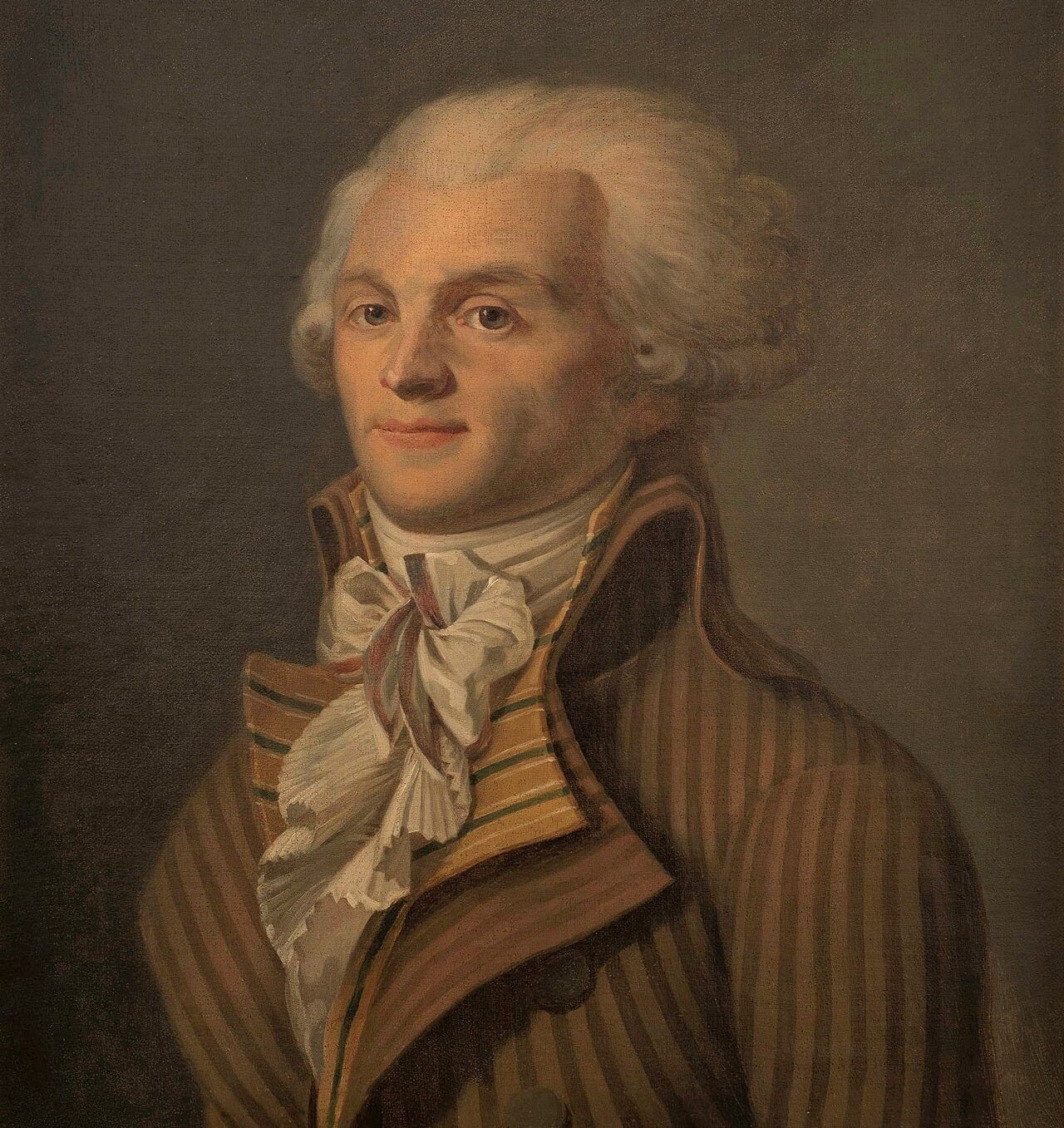
The Girondins believed the French Revolution could be guided by moderation, legal process, and moral restraint. Their perception of what the revolution was supposed to be blinded them to what it actually was. The Jacobins had no such constraints, they acted, consolidated, and eliminated. Robespierre did not debate the Girondins, he destroyed them. By 1793 they were arrested, tried, and executed by the very revolution they helped birth. The interest of the Jacobins had advanced because they were not constrained.
Now one must at this point have wondered why “construct of good vs. evil” has been used so thoroughly rather than a simpler word such as morals. The reason this has been the choice of phrase is because it truly is a construct in the mind of the average person. Most people are limited by their own experiences, perception, and what was inherited from society or their parents. All these factors shape how a person translates the world. The issue with these factors is that the world is a complex place, and these simple mental models or inherited beliefs cannot sufficiently describe or account for every situation. The masses translate their own versions of good vs. evil with extreme simplicity, if you say something enough times they begin to perceive it as reality, if you give them enough examples with no alternative data except that which supports your point they are easily fooled into thinking a certain way, if you frame or constrain a situation to a specific point in time and tell them nothing before it they see it the way you have shaped them to see it and rarely do they ever look back for more context because your point already seems sufficient.
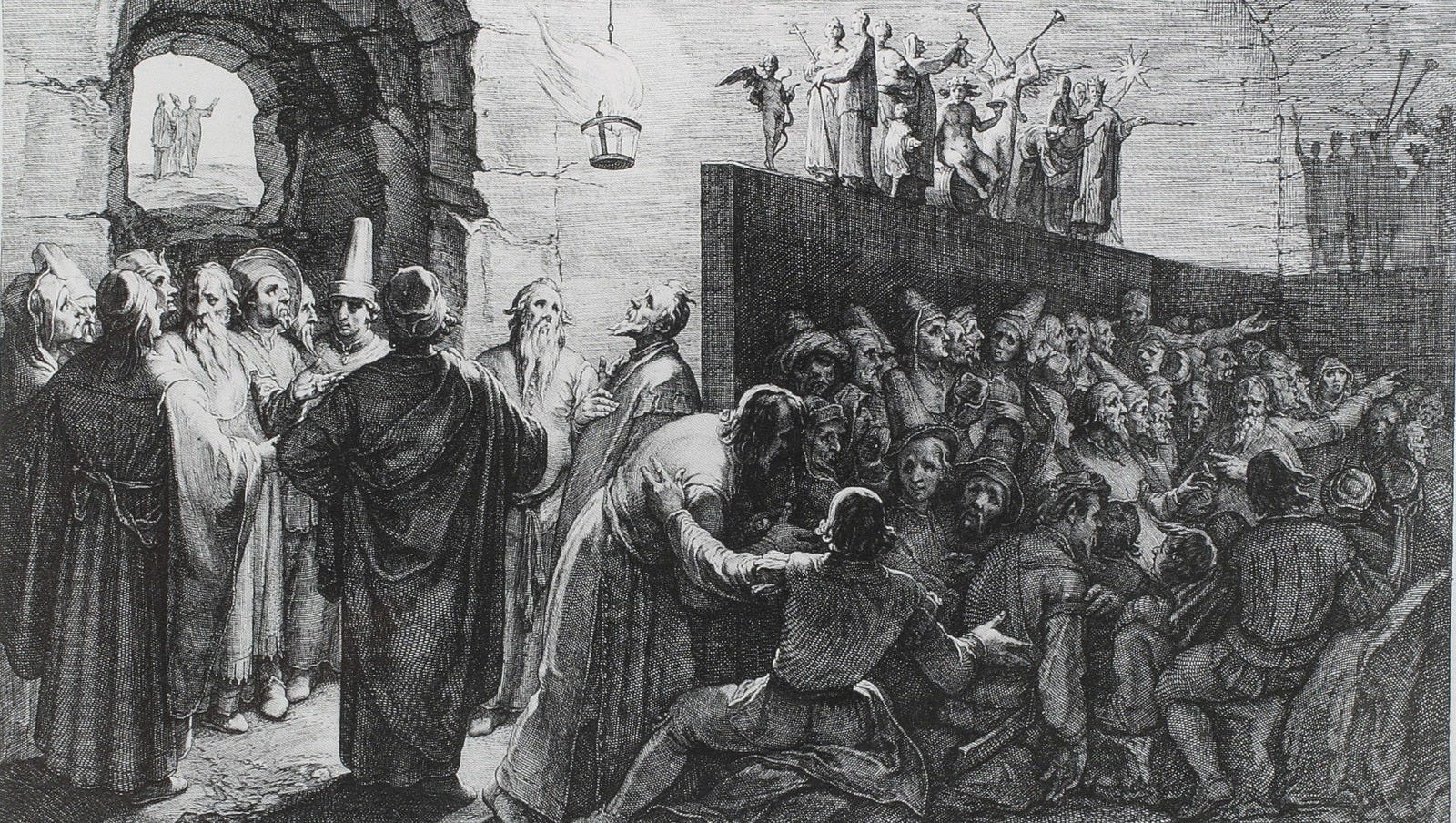
It can be clearly understood that the many have a constructed sense of good vs. evil, not a true moral sense. What is called morals is routinely performance, or the ubiquitous nature of thought on a specific topic. This is clearly a construct that is severely affected by what they see in the media and in their lives every day. If one can shape a person’s environment just enough they can get them to support something that is clearly evil to many outside that person’s environment, with a few rhetorical or semantic tricks.
The construct constrains the masses, power and those unaffected by this construct easily achieve power because they are unimpeded by the artificial boundaries that so many mistake for reality. That is why evil men appear to be in control of everything. Not because they are evil, but because the masses’ limited understanding and perception allows them to rise, the few do not accept the same constraints as the many. If one is seeking true advantage in a society built on artificial constructs and lies, he must first be willing to throw off the constraints the many artificially wear. Once he has achieved this, he will rise as the few always have.
Not sure what your aim with this peice was, but it missed the mark if you were NOT trying to tell people they can "win" if they just stop following a moral compass. I read it 3 times. It is basically saying these pedos aren't evil, they are just doing what's "necessary" from their frame of reference. Excuse me. Wtf?
"The concept of good and evil (...) is a comforting illusion, but it is not reality."
This perspective reflects the worldview often associated with Dark Triad oligarchies - power structures characterised by manipulation and exploitation. The prevalence of such beliefs within a group may signal a regressive evolutionary trajectory, particularly among social groups under threat of decline or extinction.