
The Critic Cannot Rule
Why the Loudest Voices Against Power Are the Least Equipped to Hold It

In every power structure and political system, it is infinitely easier to demand and criticize those in power than to actually rule. This is hardly understood by the masses because many of them truly believe they would actually do a good job if they were given power and real authority to execute their will on a population. This fundamental disconnect between thought and reality is precisely why the expression of criticism is often louder and even more popular in some cases than the current ruling regime. Everyone wants to believe in a brighter future, and yet they constantly groan and complain no matter the regime.
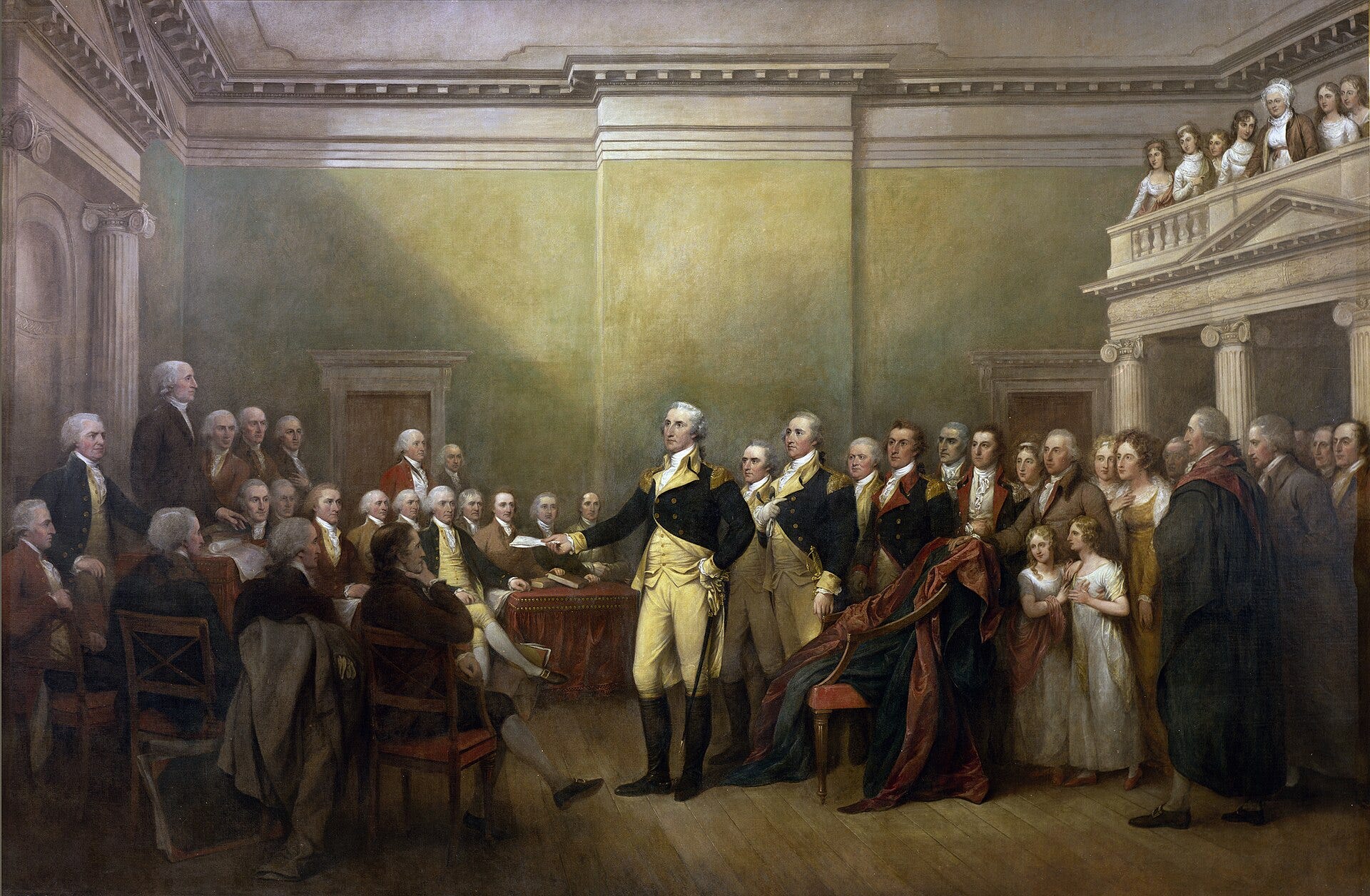
It is fundamentally easier to criticize those in power than it is to rule. This is a fact that many do not understand or do not want to understand. Those in power have to deal with the realities of ruling, such as coalitions, public sentiment, diplomacy, and preservation of their own power and influence. The only thing those who critique power have to do is demand perfection wrapped up in passionate and emotional rhetoric that is appealing to the masses. This is why those who criticize can demand perfection and be seen as an effective political leader without actually doing anything. They have no ability to rule or control those in power as it stands, so there is no burden of proof or expectations for them to meet from the masses. The only thing they must provide is passionate rhetoric that stirs the masses.
You’ve been reading 1/2 of our content. Become a Paid Subscriber today and access all the benefits of PT Press.
Access to The Foundational Works and The Histories — our exclusive long-form series exploring power, civilization, history, and structural reality.
New premium essays every Thursday expanding our framework and your own mind with deeper historical and structural analysis.
Direct influence on what PT writes next through the PAID subscriber’s chat.
Instant access to the complete PT archive — 65+ essays, every framework, and every single piece of long form analysis we’ve ever published.
Join PT Press for just $8/month or $80/year
People who critique also often believe that they would be good at ruling and maintaining a civilization if they achieved power. In reality, most people would be far more incompetent than the current governing authorities in any civilization because they don’t know anything and have no discernment to be able to effectively make decisions and lead. But they have never been tested in power, so the illusion of their innate goodness and ability to rule is unchallenged. This illusion is what blinds the critic and makes their expectation for a government up to their standards unattainable and simply impossible.
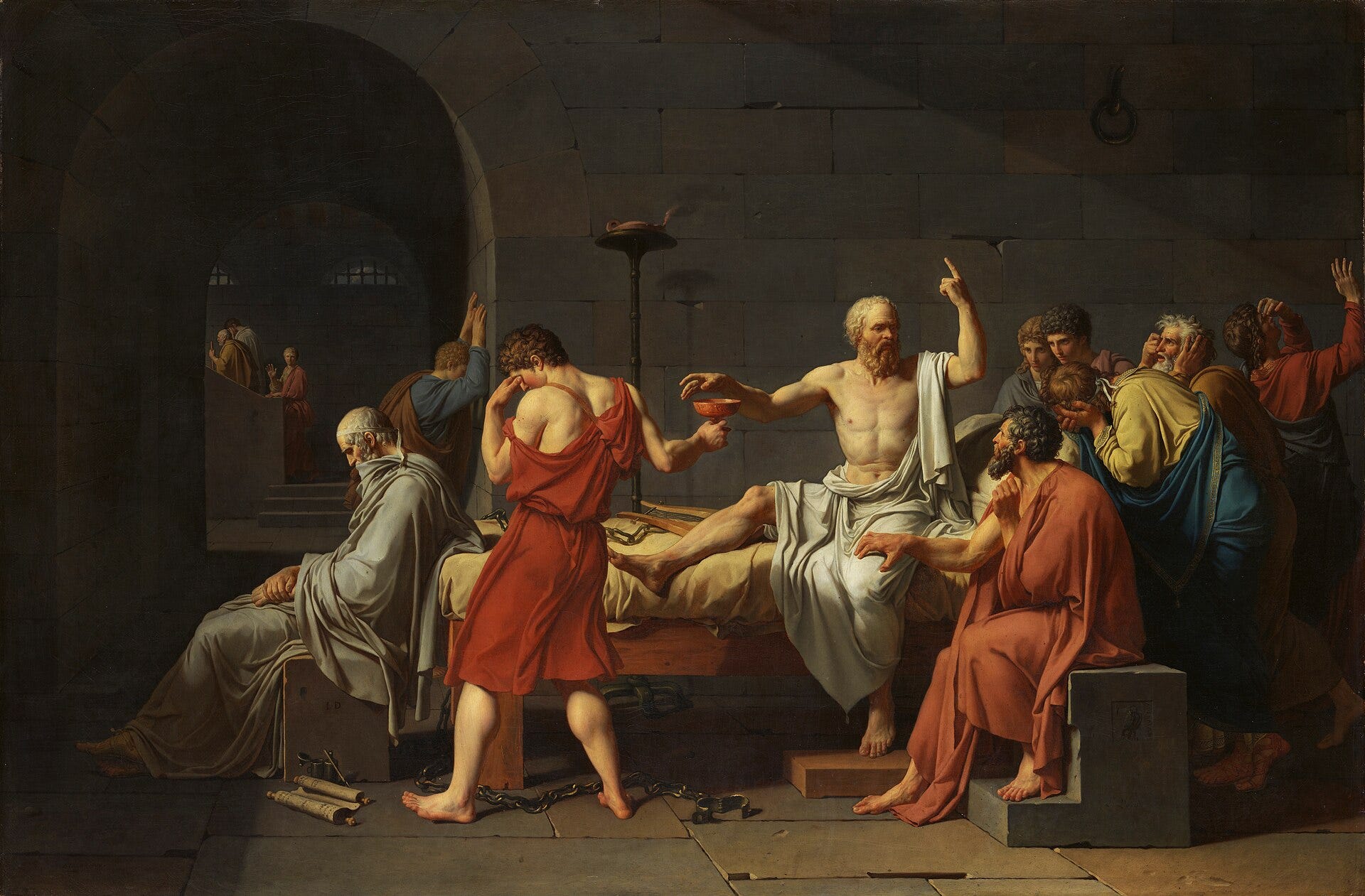
Instead of reflecting inwardly and seeing that what they are asking is not conducive to good governance, in reality they critique louder and more often with a growing fanatical-type zeal. This reinforces their own illusion, and their confidence and conviction may draw others to their cause. The underlying structural issue still stands as it did before; they would simply be horrid at governance and most likely would make society worse off.
The critic in a political system by themselves is not a hypocrite, but when they demand perfection and total subservience to their own preconceived notions of good governance that simply do not work, they become the embodiment of a hypocrite.
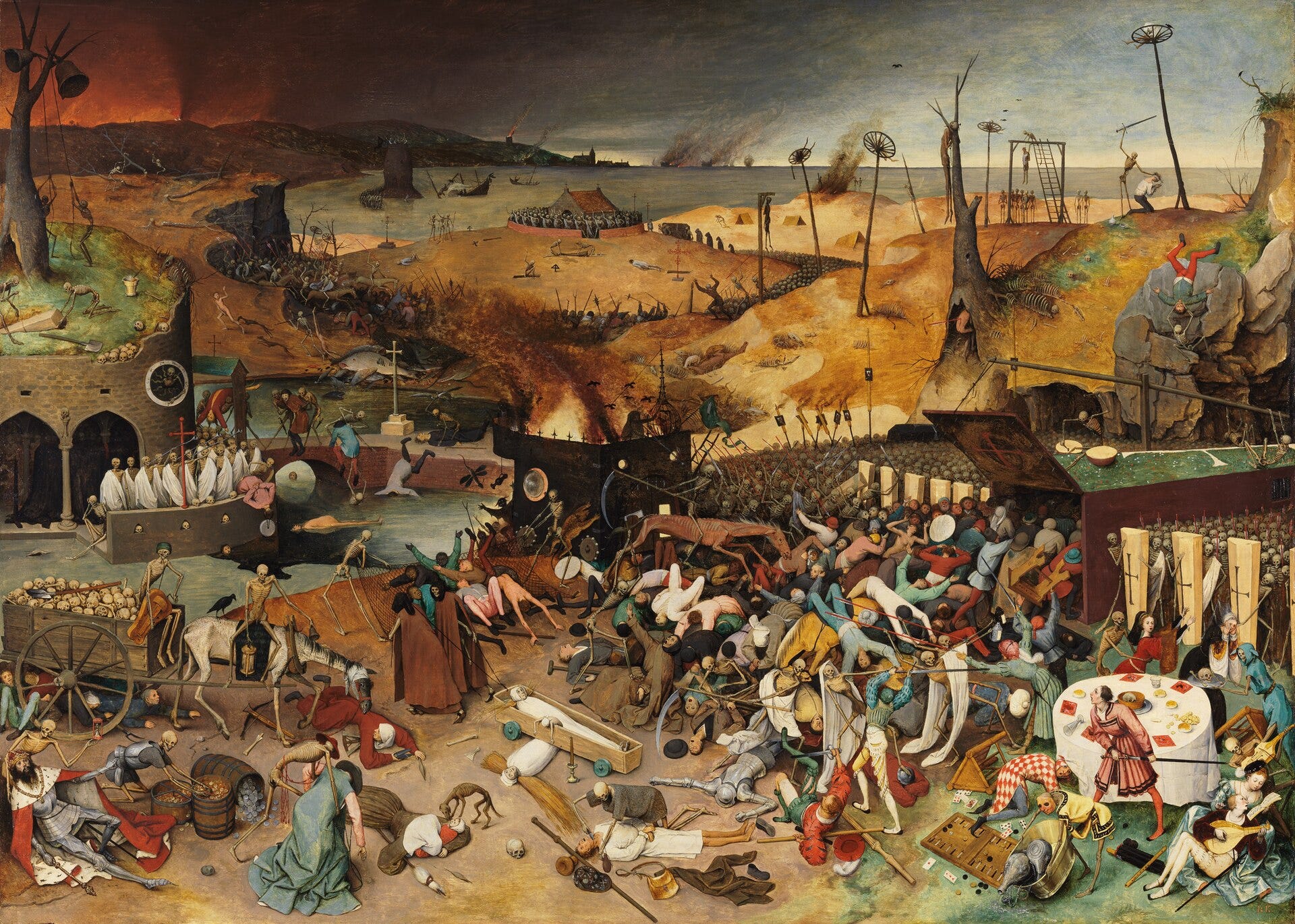
The masses are ruled by this fundamental rule: they love the critic while their rhetoric is emotional and passionate, while they hold no power, while they are not in a position to influence or change the regime. If the masses carry through and cause the ascension of this critic into power, many times it becomes a disaster. The critic knows only how to criticize and stir the masses; they know nothing of governance, which in turn repeats this cycle again and again, until society can no longer survive this incompetence. Then collapse happens, and that is when those who are capable of real governance and are skilled statesmen rise up into power to recapture the regime and provide stability again.
This is not a specific critique of democracy; it is a critique of the masses and their fickle nature. They allow themselves to be enchanted by those who stir their passions, and in any governing system, the masses often are the most utilized force by those seeking power.
Build More Than Knowledge. Build a Library.
Every serious thinker inherits a tradition. The greatest ideas in history were preserved because they were collected, studied, and revisited—not simply consumed.
Logos Publishing is a monthly book club dedicated to building lasting libraries of philosophy, history, and political thought. Each premium edition is selected to earn a permanent place on your shelf.
If you’re building a library rather than a reading list, use code PT for 15% off your first order.
Join the Logos Publishing Book Club Below
This is shown directly and most drastically in modern democracies: the masses have unrestricted leverage to choose whom they want in office, and they tend to choose those who reflect their emotions and passions. These people tend to be incompetent in governance, so society degrades slowly over time, until eventually a society appears to be something completely different than it was a few decades ago. These decisions and minor degradations happen gradually little by little, so indirectly that the masses do not perceive the change until it is too late. The masses never look inwardly; they simply find someone who criticizes more vocally and reflects their heightened passions until their society has been completely destroyed. Instead of reflecting on their own civilizational and cultural character, the masses will blame everyone else and everything else until there is nothing left but total destruction.
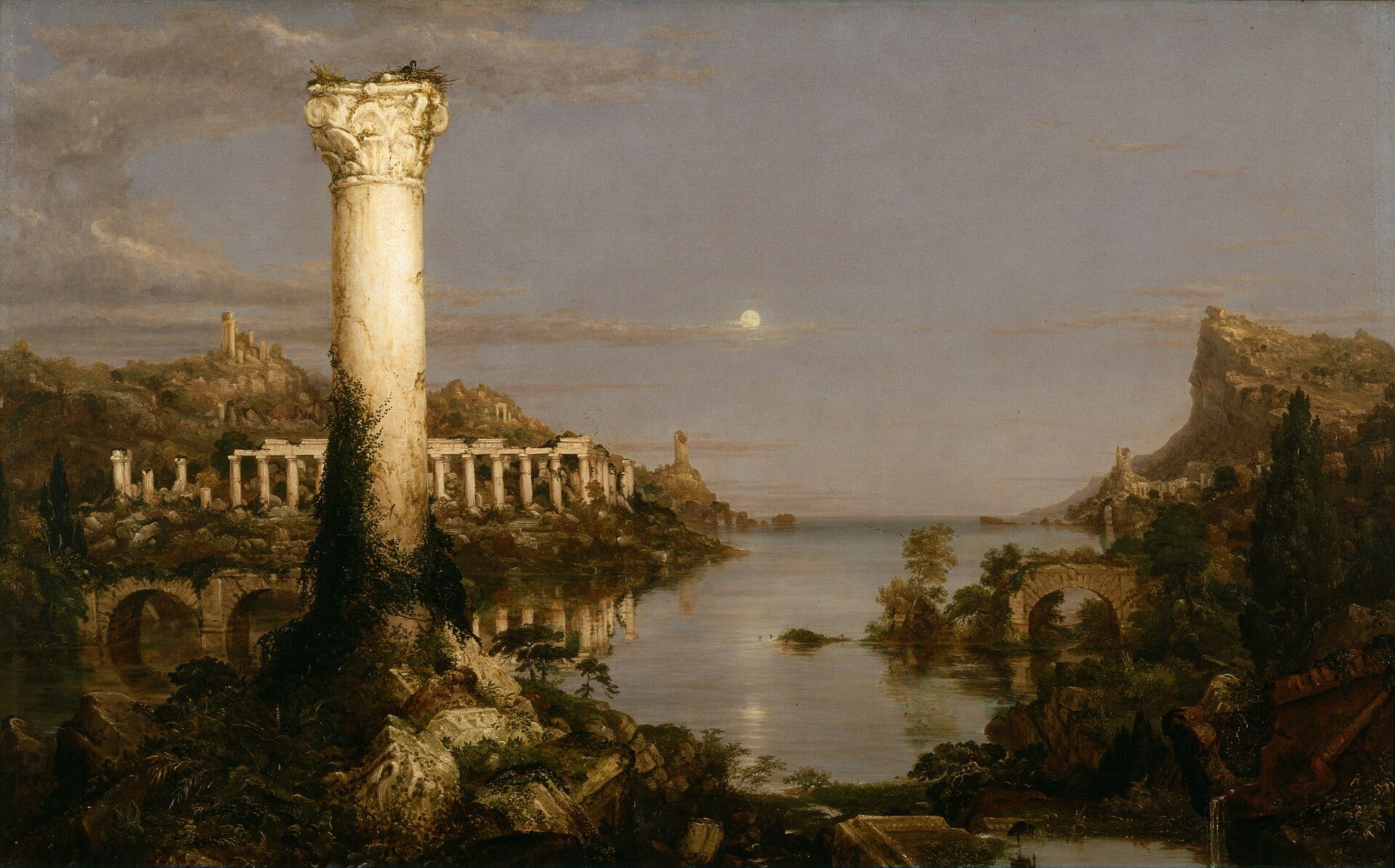
The lesson is simple: the critic can demand perfection and even win over popular sentiment, but an incompetent and unrepentant civilization allergic to accountability will destroy itself. The critic is the ultimate hypocrite, and the hypocrites will never take accountability until their civilization has been destroyed.
Don’t be a blind critic who will destroy a civilization because accountability is absent in one’s mind; embrace reality, political discernment, and knowledge, and use it to your own advantage.
Great Read!