
The Ends Justify The Means
Why Power Obeys Reality, Not Public Morality

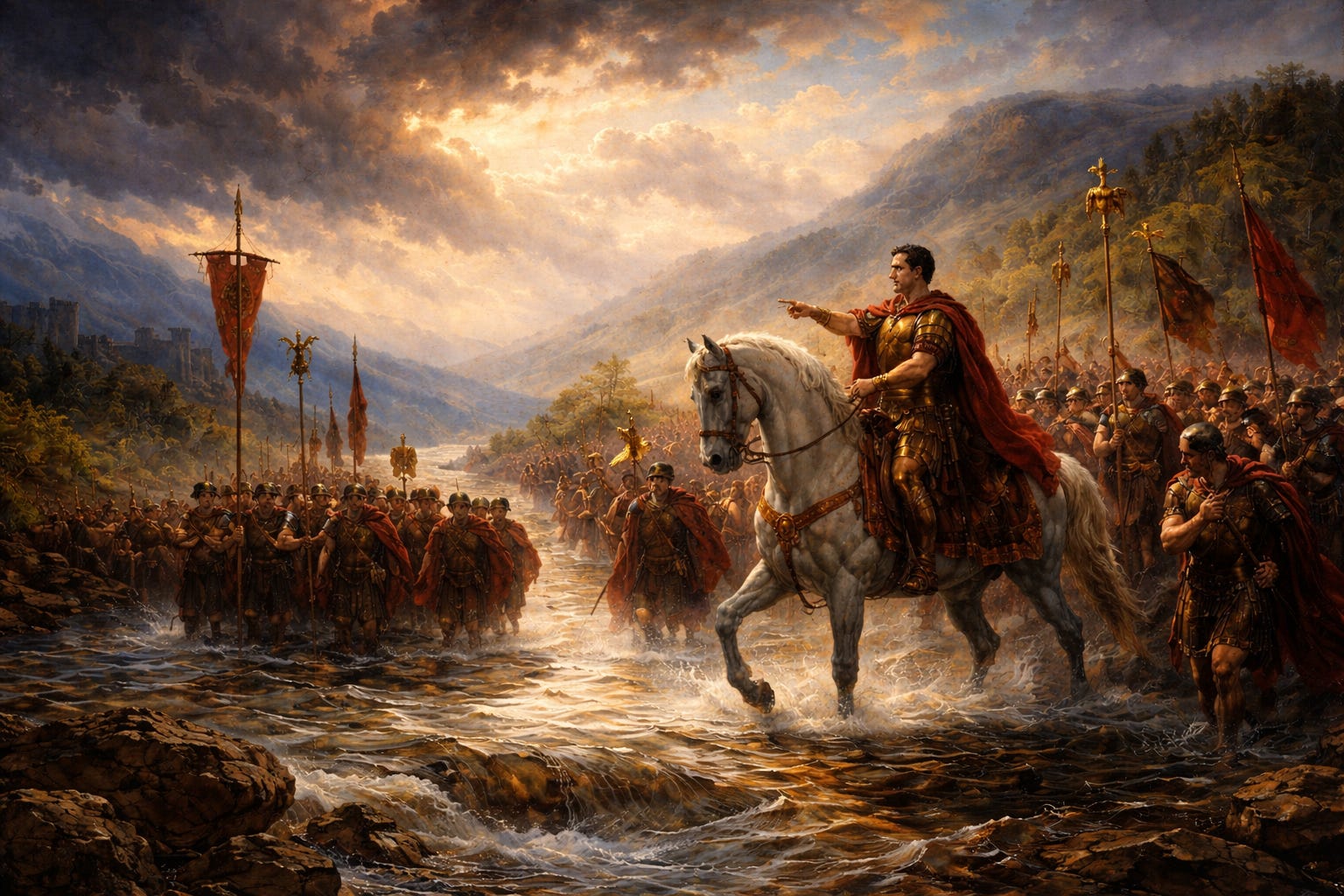
You have probably heard it said that the ends justify the means. It is a very common theme woven throughout modern media. This idea is not new in Western culture. It traces back to Niccolò Machiavelli and his work The Prince.
“In the actions of all men, and especially of princes, where there is no court to appeal to, one judges by the result.”
— Niccolò Machiavelli, The Prince
On its face, this idea is treated as a novelty of thought in modern society. It is discussed, referenced, and debated, but rarely taken seriously as something to be lived by. Those in power, however, have always held a different view. They were putting this principle into action long before Machiavelli ever wrote it down. Julius Caesar is a clear example. He crossed the Rubicon knowing it violated law and tradition, because success would retroactively justify the act, and history remembers him not for restraint, but for effectiveness.
Paid Subscribers Receive:
2+ full essays per week on power, incentives, betrayal, and systems
Applied frameworks on loyalty, enemies, positioning, and strategy
Subscriber-only analysis not suitable for public discourse
The issue lies in a mind that has never seriously thought about anything. Such a mind sees this idea as an abstraction. It may even intuitively understand that this is how the world works, but it remains ruled by social norms and the perceptions of others rather than reality itself. That is why when people praise a businessman’s accomplishments, they often say he was ruthless or brutal, but that he got the job done. He simply did not care about norms or appearances. He did what was required to achieve his goals. This is simply reality; he could have been malicious or he could have been perfectly moral, but that would require extreme detail to truly analyze.
This is why even entertaining this idea as an actionable standard in one’s own life feels dangerous, yet empowering. Once a person truly considers what this principle represents, they begin to glimpse reality. They see that advantage does not come from being evil or immoral, but from understanding how power actually flows and operates. If you have ever seriously considered this idea, you would understand why applying it would be advantageous. If you still believe it is simply immoral or evil, then you have demonstrated an inability to think critically or deeply. You have taken a complex idea and collapsed it into a simple dichotomy so that it is easier to digest. And that is the greatest transgression of thought. Those who refuse to strip illusion and understand reality will always mistake power for evil.