
The Masses Are Not Moral
Morality, Virtue, And Weakness Among the Many

"Morality is the herd-instinct in the individual." — Friedrich Nietzsche
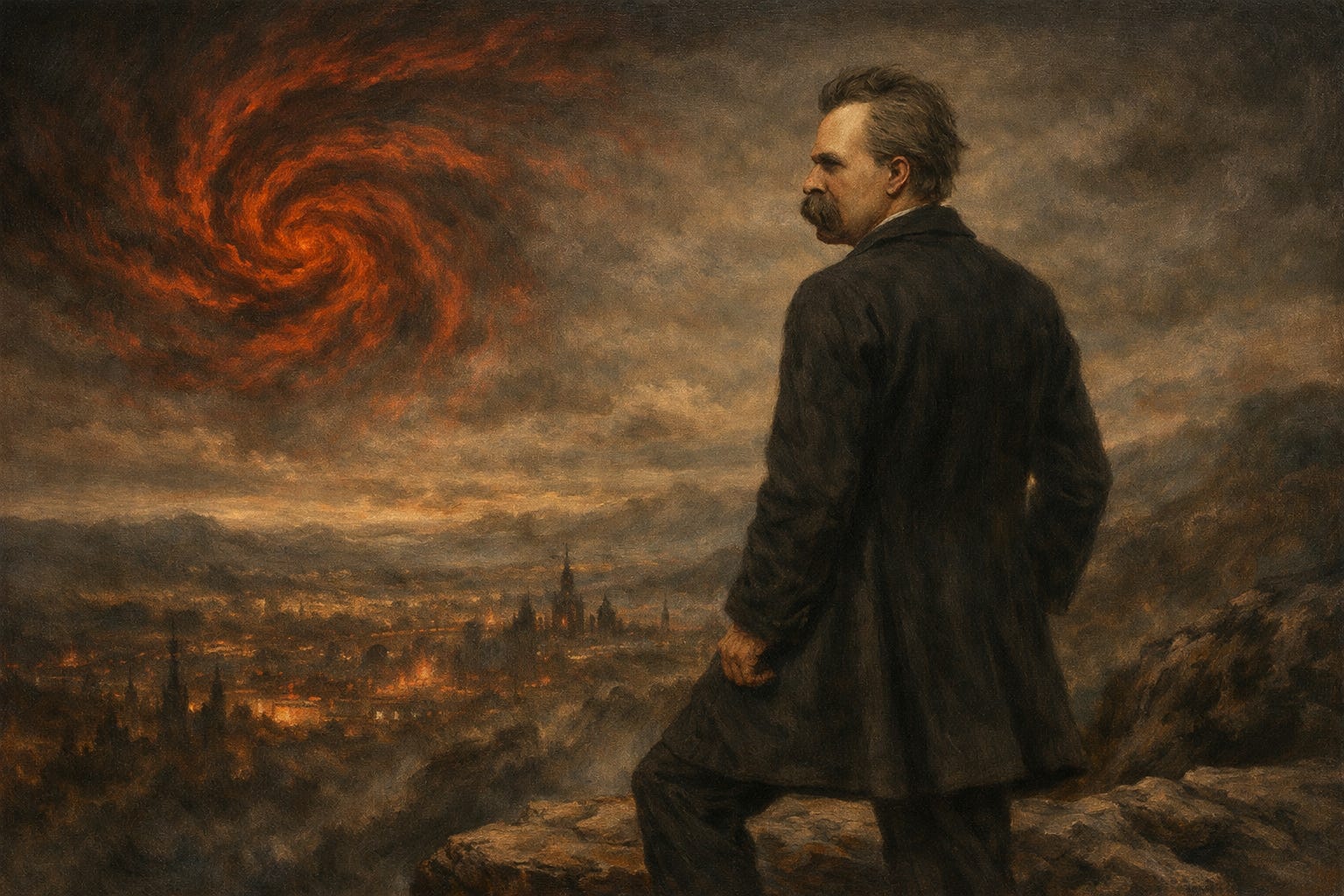
Morality among the masses is fake and performative. It is a political instrument. Institutions and the powerful have long understood that the most efficient way to neutralize opposition is not force, it is obfuscation and framing. Frame ambition as greed. Frame the desire for power as corruption. Frame those who would challenge the existing order as evil, and you have accomplished something no military might could ever dream of achieving. You have made men police themselves. Every man who calls another’s ambition immoral is doing the work of the powerful for free.
This is how the few so effectively control the many. Opponents are neutralized without confrontation. Assign them a moral failing, declare them evil, and the battle is already half won. The moment a man’s reach for power is reframed as evil, the audience stops asking whether he is right and starts hating him.
The deeper problem is what passes for morality among the masses themselves. Most of it is not morality. It is performance born directly from limitation, masked as virtue.
A man who is humble because he has nothing is not humble. He is without options. A man who is gentle because he lacks the strength for anything else is not restrained, he is incapable. He is not displaying virtue. He is covering a limitation with a more socially acceptable name. The appearance may look identical from the outside, but the reality is entirely different, and that difference is everything. The man appears virtuous to those around him, but in reality he is constrained by his own weakness and lack of standing.
It extends further. A person who has never held power over another, never possessed the means to cause genuine harm, never stood where self-interest and principle directly conflict, that person has not demonstrated moral character. They are untested. Their goodness is a product of circumstances that have never forced them to reveal their true character. They perform virtue not because they have chosen it, but because the herd demands the performance as the price of belonging. The avoidance of exile is not morality. It is survival dressed as virtue.
You have read this far because you already think differently than most people around you. Act like it. Become a paid subscriber today and unlock access to:
The Foundational Works. The full intellectual architecture behind PT. This is where the core foundations of PT reside.
2+ essays per week on power, history, and reality. This is the surface. Access the depth.
Expanded privileges in the Subscribers Chat. Launch threads, request analysis, shape future essays. The herd consumes. Paid subscribers direct.
An archive that never stops growing. Every essay and framework building into a permanent body of work you will not find anywhere else.
Staying free is a choice. It is just not a serious one. Do not stay among the herd. Become part of the few.
This is why moralizing is so universally practiced. It costs nothing and asks nothing of a person’s character or conviction. A man with no power, no leverage, no real capacity to affect anything can still perform virtue publicly and collect the social reward attached to it. He calls another man’s ambition greed. He calls another man’s dominance cruelty. And the herd affirms him for it, because moral condemnation is the one form of power available to those who have no other kind.
The truly moral man is different. He is the man who holds power over another and does not abuse it. Who possesses the means to take and chooses not to. Who stands at the point where self-interest and principle collide and comes down on the side of principle at real cost to himself. That is a moral act. It is rare because the conditions that produce it are rare, and rarer still because self-interest has become the dominant currency of broken societies.
The masses condemn those above them as corrupt, cruel, and evil. But this condemnation comes from men who have never stood where those they judge have stood. They have never held the power, never faced the temptation at that scale, never been in a position to know what they would actually do. In all likelihood they would be no different. The evil they assign to those above them is almost certainly the evil they would commit themselves given the same position, the same pressure, and the same opportunity. They are not more moral. They are simply untested, performing virtue among the herd as though that performance would hold once real power was placed in their hands.
The masses are not moral. They are just as corrupt, cruel, self interested, and evil as those they condemn.
Bullshit
https://dennisreganphd.substack.com/p/the-necessity-for-a-new-philosophy?r=7bumbm&utm_medium=ios