

The division of the people has been one of the most useful and used tactics of statecraft ever. The mechanism behind the controlled division is simple and ironically understood by the masses in modern society. Yet the masses often do nothing about this controlled division even though it is clearly seen through the actions of the donor class in every “democracy” in the west.
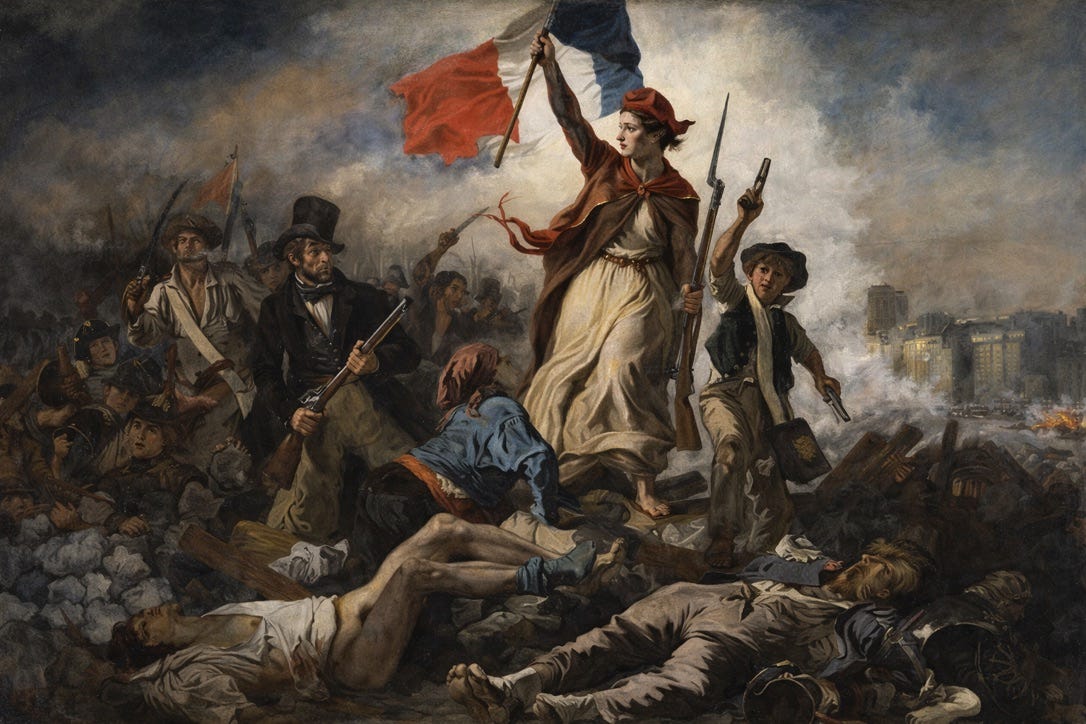
Yet most people love their own illusions about a fair and democratic process so they rationalize that understanding away. They do this by saying things like that is just politics, what can even be done about it by me, or they delude themselves into thinking the other side is evil so even if that is how politics works they deserve it. This understanding yet rationalizing it away is a form of political cowardice that allows elites to easily maintain control through a controlled division.
The mechanism is simply this: allow political discussions and debate among the populace and in the mainstream but only on things that have no effect on the real issues. This mechanism is clearly seen through the modern “culture war” happening in every western country. This allows the political bases of both parties to feel as if they are contributing to a better future, but in reality social politics is a highly managed and useful form of statecraft to appease the masses.
While the many fight about an issue that is irrelevant to the power of governments and the elites that circulate through them, power is consolidated and wielded against the interests of a distracted populace without them ever understanding why or even asking how the government attained so much power. Even if a contingent of the many rises up and challenges the government’s legitimacy to acquire such power, it is often too little too late. Once an organized resistance to certain government powers can be assembled, the government has held those powers for years and entrenched them through regulation and other procedures that make it catastrophic to revoke from the government.
The many consume. The few study. If you have read this far, you already know which one you are.
You’ve been reading the abridged version of our content. Become one of the FEW and receive these exclusive benefits…
Access to Foundational Works — PT’s exclusive long-form series unavailable to free readers
New full essays every Tuesday and Thursday, with potential weekend pieces
Direct Influence what we write about next in the subscriber-only chat
Full archive access — every essay, every framework, every structural analysis PT has published
Become one of the Few for only $12 a month or $120 a year
Become one of the Few below…
This mechanism of divide and consolidate has been used for millennia in every form of government. Although the divide today is the people vs. the people. The divide used hundreds and thousands of years ago could have been the people vs. the people, the rich vs. the poor, or the elites vs. the elites.
For instance, after the Reconstruction period following the American Civil War, Northern industrialists and Southern residual merchant class elites had a real problem on their hands. There was a populist faction rising in political power among the rural poor in the country. This populist faction was composed of Northerners, Southerners, and former slaves. They were organizing against monopolies on land acquisition, railroads, and banking interests. They clearly saw that there was elite consolidation of important resources and companies and they rose up against these actions.
This resulted in the People’s Party emerging in 1891, posing a serious threat to the structure of power because they were not interested in rhetoric. They simply named the robber barons, banking interests, and industrialists who were controlling the country through money, land, and companies. This was a catastrophic blow to the elite class and their grip on the country, because in the election of 1892 the candidate they ran gained over one million votes and twenty-two electoral votes.
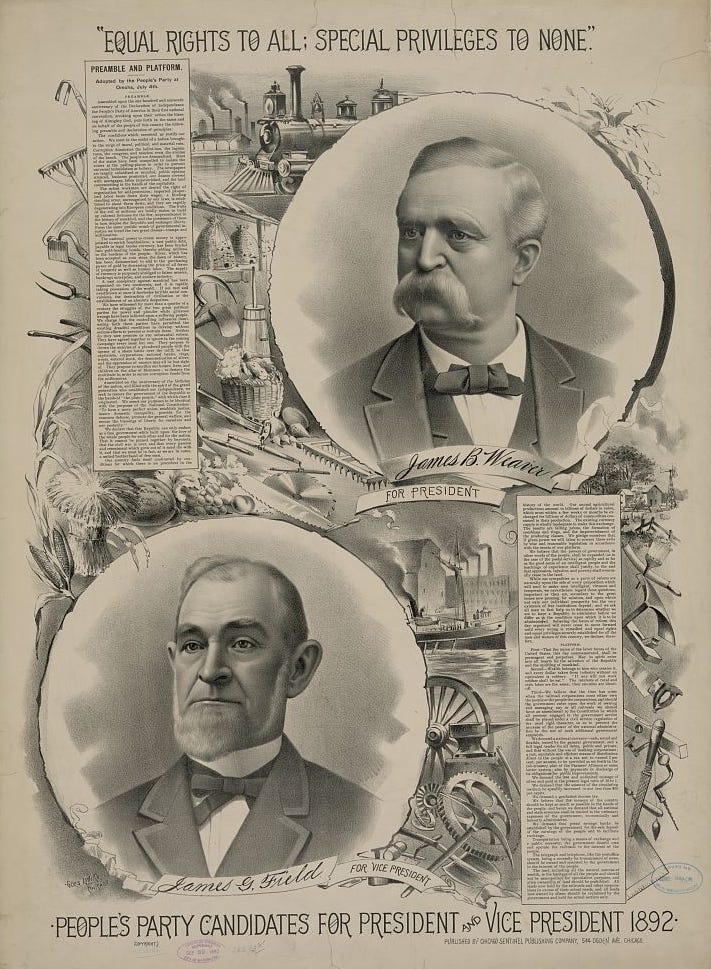
So instead of tempering their own interests they absorbed the problem. The Republicans in the north gave the people rhetoric of free labor practices and national pride, while the Democrats in the south gave rhetoric of states’ rights and racial hierarchy. That is all it was though, rhetoric, not anything that would truly help the people. It is just enough emotional meat so the bases of their respective political party would rally behind their elected leaders.
The Democrats also adopted the rhetoric of the Populists in 1896. The candidate they ran had quite a bit of support between the Democrats and the Populists. The Populist party endorsed that candidate later in that election cycle. The Democrat lost in the election of 1896 but this did something very important. It set up the Populists to be absorbed back into the Democratic Party. By adopting their talking points they collapsed the People’s Party, because everyone thought the Democrats were the Populists, but in reality they simply co-opted a movement and then gave decades of excuses to the people as to why they were not able to fulfill their rhetoric. In the end the elites kept their hold on the country while the people got empty promises.
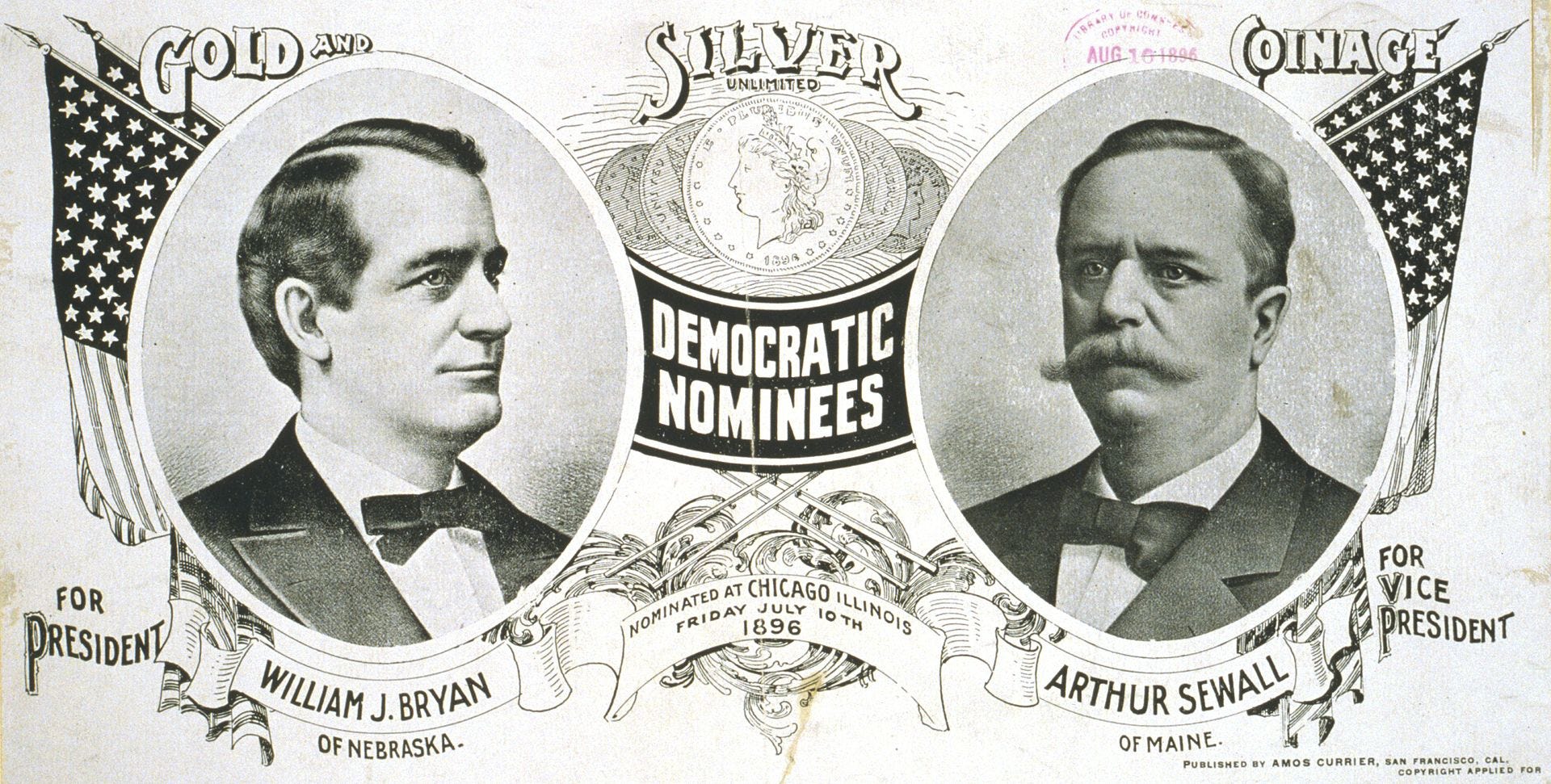
It is not a far-fetched or even a fringe opinion to believe that the political establishment of every government benefits from infighting that does nothing to those in power. This is not an endorsement of populism either, because populism tends to always be absorbed into political parties and systems after five to ten years.
Populism also relies on the popular uprising of the masses who in nature are fickle and prone to having their opinions changed by emotional displays in the media. This is why populism is so easily absorbed, because you simply have to create an emotional reaction strong enough to get your politically aligned constituents back on your own side. This is usually done with stronger rhetoric or false promises.
The masses never seem to learn that the political apparatus throughout all of time does not have their interests at its center but its own survival. This is why partisanship is so widely utilized by elites to keep the many in their respective pre-approved bubbles of opinion. It controls the many, which strengthens the position of the elite.
Only a few will ever break out of this false dichotomy in modern western societies, because many cannot think for themselves. They are absorbed by emotion or the threat of identity displacement. Only a few can ever be so truly disciplined and clear-eyed as to see the mechanism of this system. Accept your artificial and meaningless divides and stay a part of the masses. Or embrace reality and become one of the few.
What I find most useful here is the shift from division as disagreement to division as managed attention. The deeper mechanism is not simply that people are made to fight, but that they are trained to fight over the kinds of things that leave the architecture of power untouched. The most difficult part, though, may be that controlled division works because it offers people more than an opinion. It offers belonging, moral superiority, and a ready-made explanation for their frustration. That is why people can recognize the manipulation and still return to it. The division is not only imposed from above; it is also emotionally rewarding from below. So the real task is not merely to “see through” the mechanism once. It is to become the kind of person who no longer needs the identity that the mechanism provides.
In the factories, the workers were housed by nationality so they would be played against each other. This was to prevent workers from forming unions and standing up to the owners.