

Power does not belong to the people in any democracy or republic. Power belongs to those who can organize and direct the passions and emotions of the people. This is because the masses are easily controlled and swayed with direction from institutions or people with alleged influence. These bodies of influence understand that the key to every democracy lies in organizing the masses. They intrinsically understand that the ideals of democracy and the supposed righteous nature of democracy are fake; the people are not rational actors with political discernment1, they are a force or a tool to be utilized to seize or expand power.
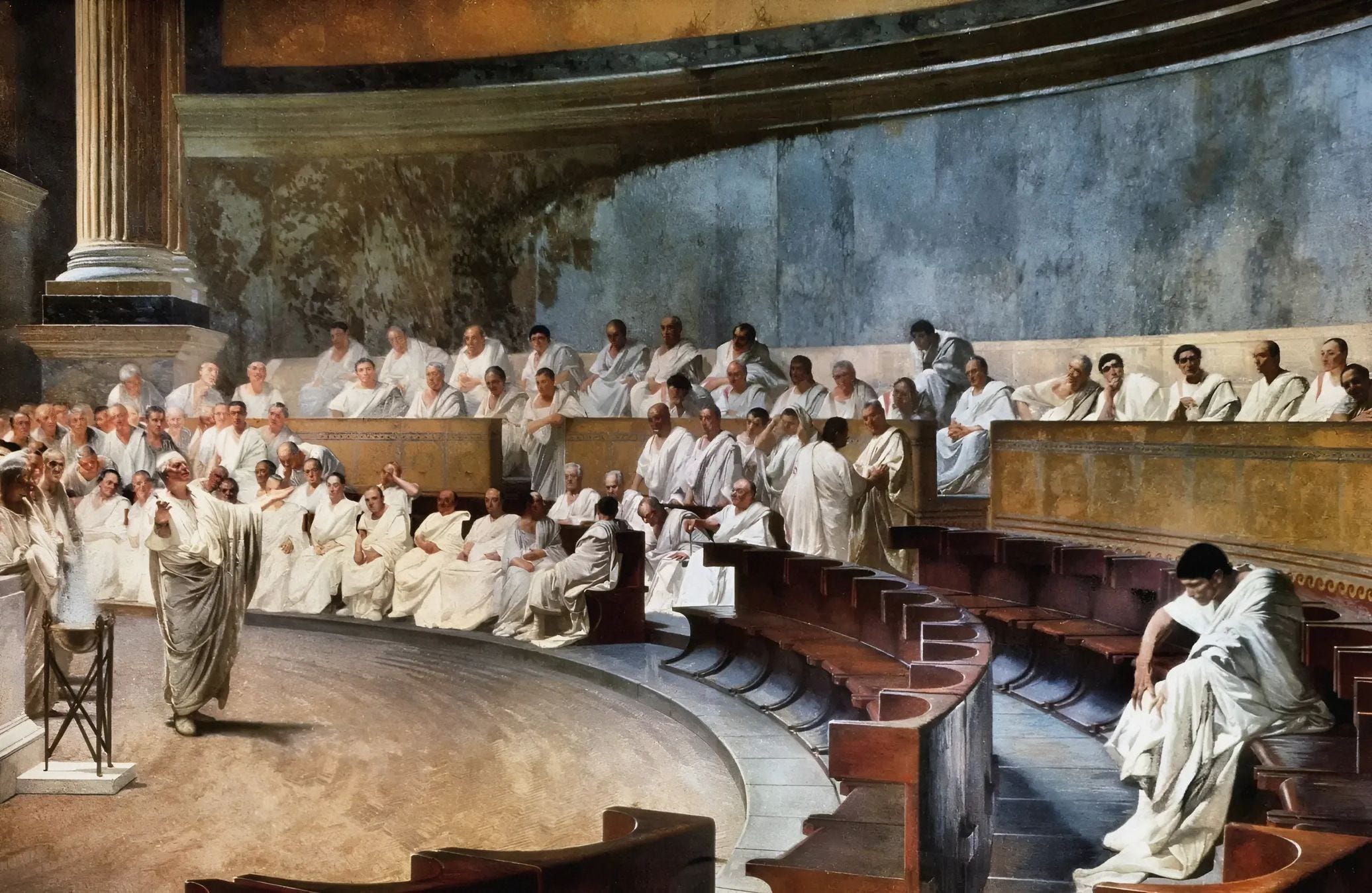
The most common form of this lie is the principal assumption of democracy: the people understand their own political self-interest, so in turn they will be more likely to elect those who benefit their own societies and communities. This is demonstrably false; by understanding this simple fact, democracies do not endure. Even republics, a better version of democracy that is undeniably stronger because it makes governments more durable and more resistant to the passions of the masses, still fail routinely and quickly.
This is because eventually, anywhere from 2 to 42 generations after the founding of a democracy, the principles and sacrifices of the founders are no longer the motivating factor for politicians and men in power. Instead, the slow decay that was already there even during the first four generations is now visible. The greed for power is visible in the promises of politicians and the effects of every policy put into place. Instead of preserving the republic for the future and the good of the people, the policies put into place benefit the people now and cause irreversible damage for future generations. This continues to ripple out for generations until a mild issue turns into an insurmountable debt that can never be repaid.
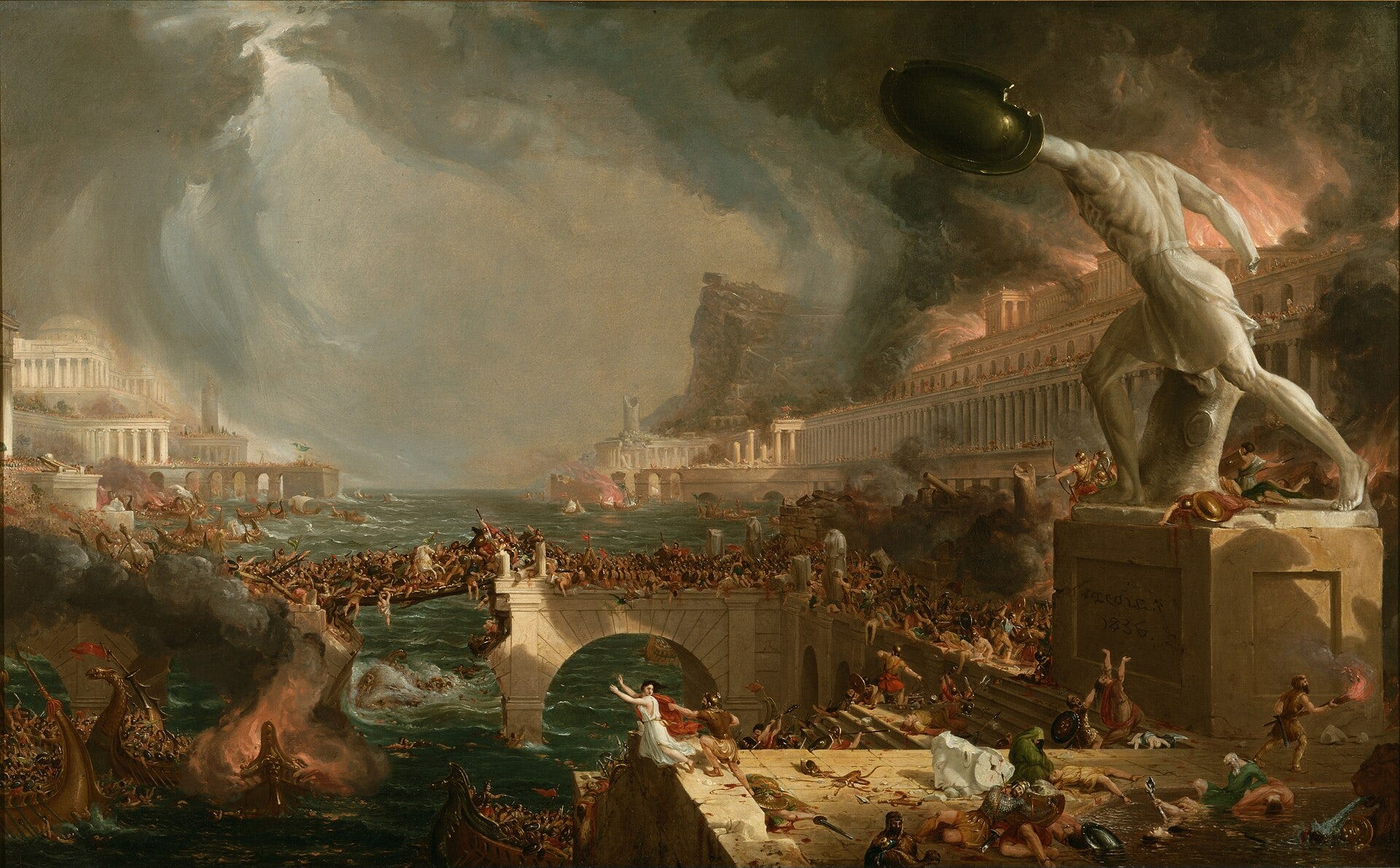
A very simple example of this is the constant bloating of social programs in every democratic country that benefits people here and now. Except instead of focusing on the future and cutting costs to prevent future generations from being in debt that they will never escape, the narcissism of the masses continues to beg for more money flowing into social programs. This cycle will continue until it collapses because the masses are unrestrained and told they are the sole authority, and the politicians score cheap political points by bolstering the benefits of today, while destroying the hope for the generations of the future.
You’ve been reading 1/2 of our content. Become a Paid Subscriber today and access all the benefits of PT Press.
Access to The Foundational Works and The Histories — our exclusive long-form series exploring power, civilization, history, and structural reality.
New premium essays every Thursday expanding our framework and your own mind with deeper historical and structural analysis.
Direct influence on what PT writes next through the PAID subscriber’s chat.
Instant access to the complete PT archive — 65+ essays, every framework, and every single piece of long form analysis we’ve ever published.
Join PT Press for just $8/month or $80/year
This is why democracies and republics always fail within 200 to 5003 years because the people and their appetites become unsustainable. They continue to ask for more and more until there is nothing left but destruction and ruin. They have no thought of the future; they have no eye towards the future or the preservation of their society for future generations.
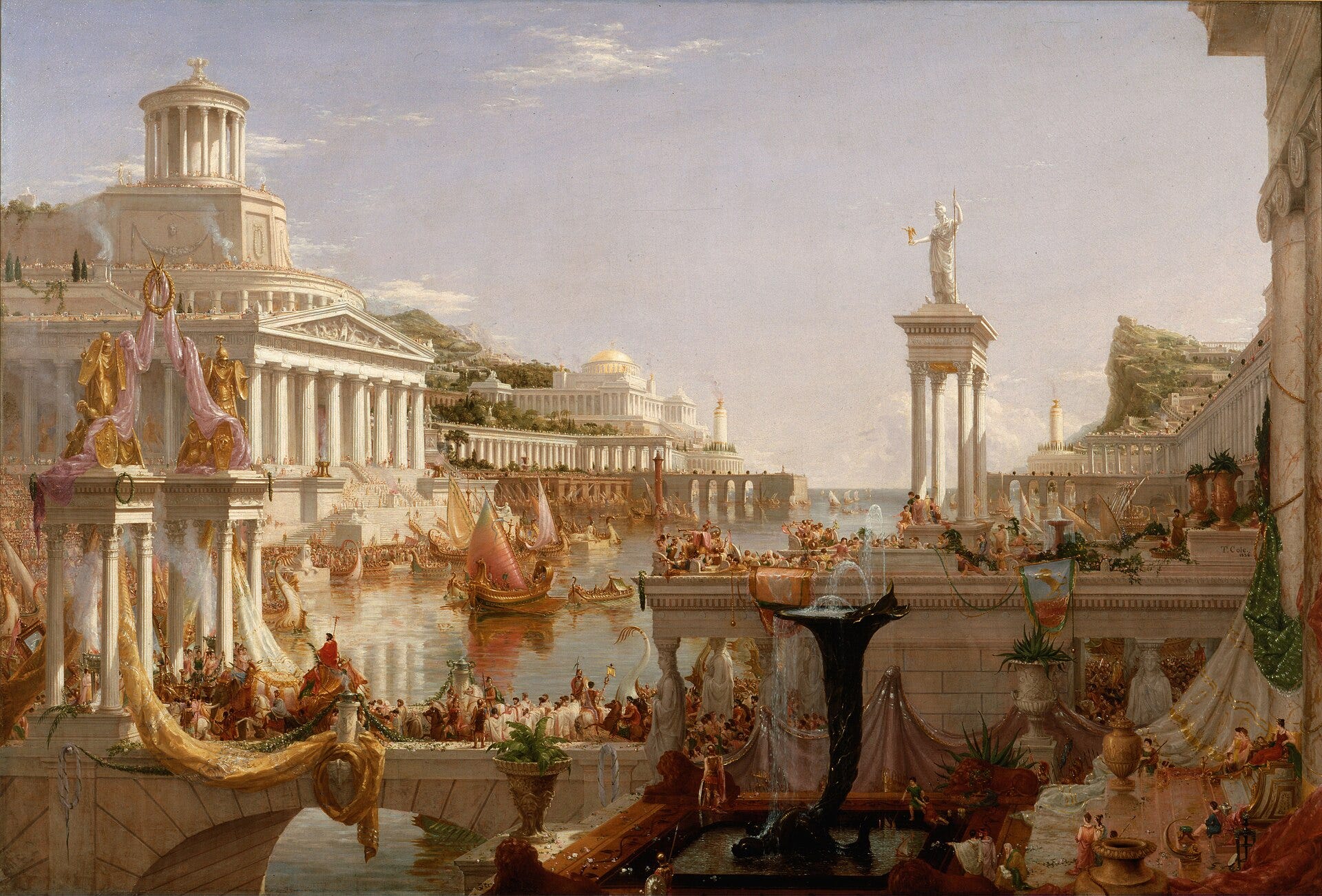
This is also why the people in every democracy are so easy to control, because those in power have realized their appetites, passions, and emotions are the only things that move them. So instead of trying to achieve real change and prosper the society now and in the future, those in power simply give short-term benefits to the masses to keep them loyal. This cycle also repeats in parallel to the increase in appetites amongst the masses because eventually the masses feel entitled to the things they already have, and ask for even more.
There are many different factions competing for power in every democracy; competition among the elites is normal, yet in democracy even elites that should have no power can acquire massive amounts of influence and power because they are able to organize and direct the masses better than everyone else.
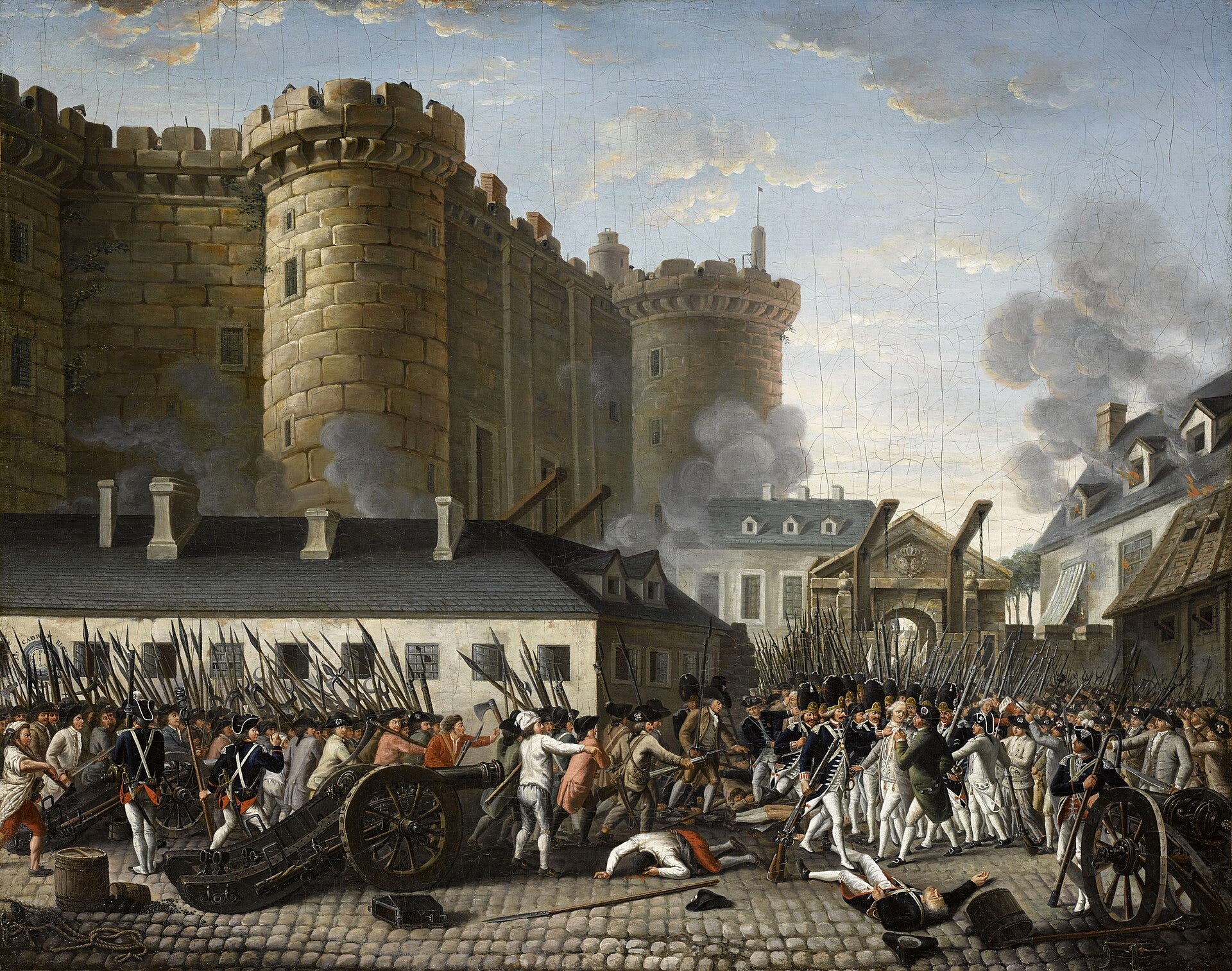
The people hold no power because they are not capable of political discernment. The people must be led because they are fickle and hold no real principles. They do not have the required background knowledge to effectively inform their own decisions in elections; they do not have the patience or the discipline or the desire to acquire political discernment because it is not an easy thing to attain. And the masses love what is easy, and they love all things that bolster their current illusions of the world. So instead, they outsource their thoughts and opinions to what they are told by alleged institutions of authority. These institutions include political think tanks, politicians, independent media, and institutional media.
This shatters the myth of democracy and the righteous opinion of the people, because the truth of the matter is that the masses do not possess the ability to accurately discern politics; they do not possess the ability to break their own illusions; they do not have the ability to think for themselves because it is far too difficult.
The people hold no power in democracy; the true power lies in those who can organize and direct the masses most effectively.
Political discernment is defined as the ability to accurately judge political actors and policies based on the amount of benefit or harm they will cause in the short term and long term. It also requires a working knowledge of history and the facts and circumstances that led to the downfalls of major civilizations. This discernment requires study and discipline not present in most people, causing those who are truly politically informed to be very few.
2 to 4 generations is a general estimation based on history in real democracies when structural issues started appearing and the founding principles were starting to be erased or forgotten in the cultural memory.
200 to 500 years is also a general estimate based on the historical record. There were democracies that lasted far longer, such as Venice, although that was due to the fact that it wasn’t a pure democracy or republic. There were also democracies that lasted far less time, such as France before Napoleon.
This conceded the whole game without noticing. If informed statesmen are "unrestrained by mass conformity" and "of course" act selfishly once in power, that's the argument against concentrating power in them, not for it. Ignorance is fixable, corrigible even, through information and time. Selfishness with unchecked authority isn't. The masses being wrong sometimes is a solvable problem with better inputs. A small ruling class being self-interested by his own admission is a structural one with no outside correction, since they're the ones deciding who counts as sufficiently discerning.
The footnotes do more damage to this argument than any critic could. "200 to 500 years, generally" isn't a finding, it's a range wide enough to fit any outcome, and Venice gets waved off as an exception the moment it's inconvenient. But the real question is who decides who belongs in "the Few." History is full of people confident they were the discerning ones who should rule the rest. What made them right and everyone else incapable of thought? That's not rhetorical. I'd genuinely like an answer.