

The masses have an issue with conflation. They hear something and because of their own personal perceptions they attribute false negative connotations to a person, movement, or message. This happens constantly in the age of information. Sometimes it is a plausible attribution, such as a specific lobbying interest associating with and funding an elected representative, it is only reasonable to believe they may now favor that interest over their own constituents. Sometimes the attribution is a complete farce, such as a murderer getting food from a specific store so that store now supports murder. These examples border the extremes of conflation but they clearly demonstrate, even to the less intelligent, that conflation is not always correct and not always wrong in a given scenario.
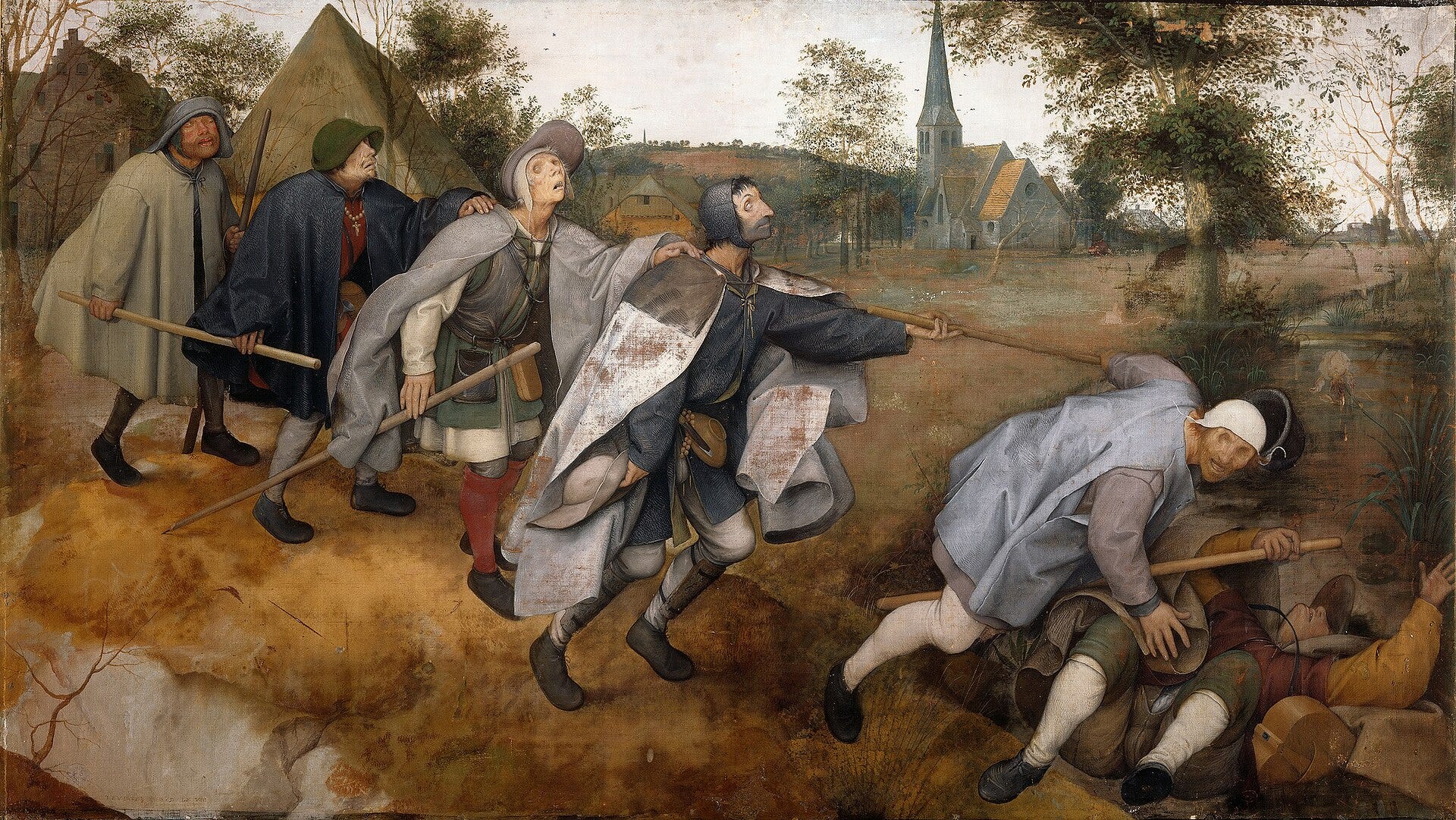
That is why analysis is commonly mistaken as endorsement. The masses cannot accept anything outside their own alleged moral framework inherited from the herd. The masses don’t think for themselves, they parrot the ideas they heard from others among them. They are truly limited in their thought capacity because they are far too worried about what others among their own herd will think of them if they explore outside the group approved boundaries.
This is demonstrated quite clearly in the allegory of the cave by Plato. A group of prisoners were chained to a wall and could only look at that wall for all their lives. They were not forced into this scenario but simply inherited it from birth. Figures moved behind them displaying shadows on the wall that were the reality the prisoners believed in, consistent with their life experiences chained in the cave. The prisoners eventually came to see the shadows as things to name or people to debate, they developed expertise around the shadows. They had a complete framework of reality that was consistent but limited because they had never seen anything else besides the wall and the shadows.
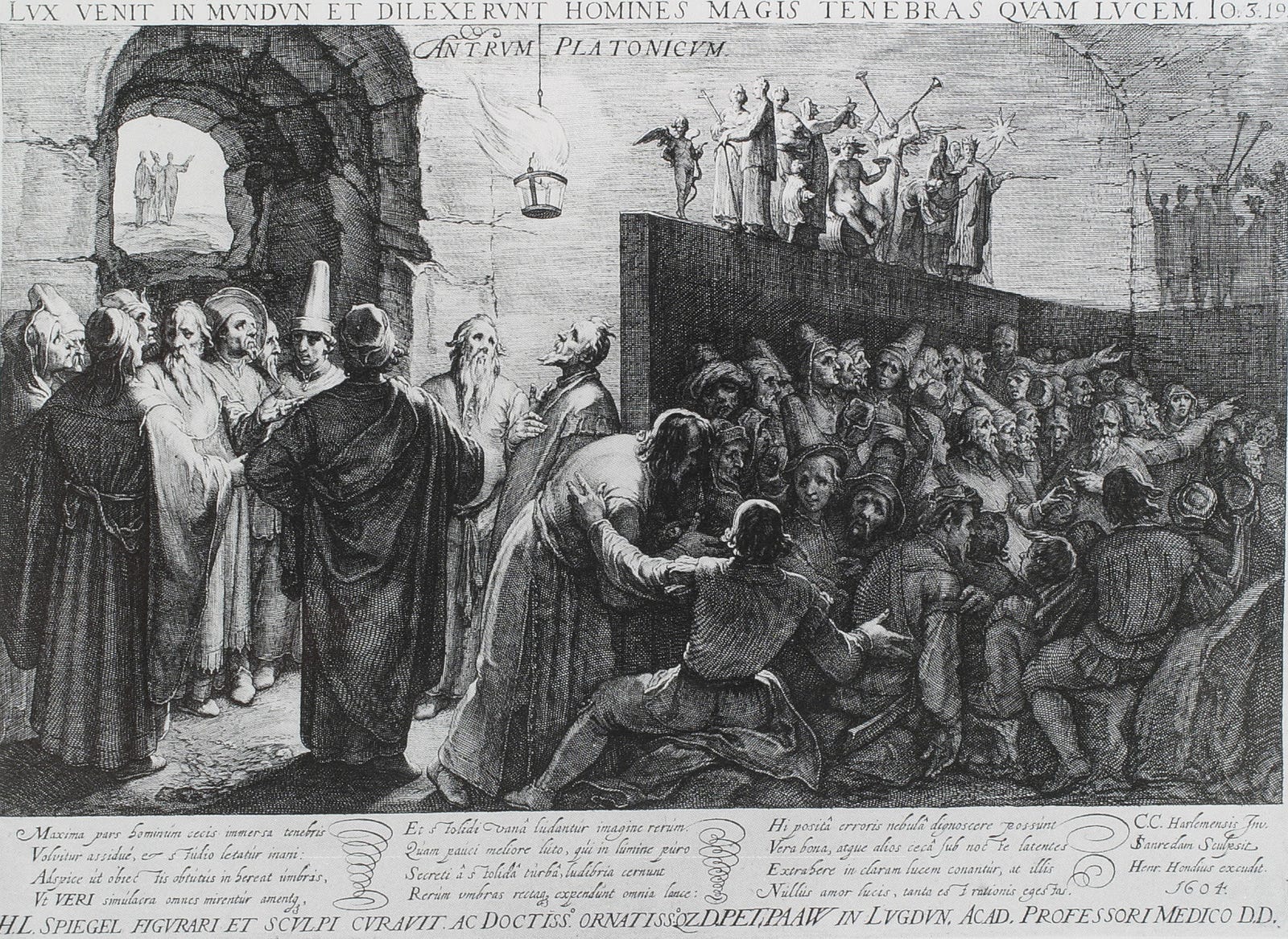
One day a prisoner escaped his chains and saw what the figures truly were. He saw the sun for the first time in his life. He was not happy or enlightened upon seeing these things but terrified at the brightness of the sun. Because he cannot see he must slowly adjust to actual reality. He eventually understands that the figures were copies of reality but not the full picture. He also realized they had been distorted by those in the cave who had known nothing but the shadows all their lives.
The many consume. The few study. If you have read this far, you already know which one you are.
You’ve been reading the abridged version of our content. Become one of the FEW and receive these exclusive benefits…
Access to Foundational Works — PT’s exclusive long-form series unavailable to free readers
New full essays every Tuesday and Thursday, with potential weekend pieces
Direct Influence what we write about next in the subscriber-only chat
Full archive access — every essay, every framework, every structural analysis PT has published
Become one of the Few for only $12 a month or $120 a year
He returns to those still chained to tell them of what he had seen, the bigger picture. He cannot see their shadows as well anymore though, since his eyes had seen the sun. So they mock him and threaten to kill him, not because he is evil but because he has seen reality and they cannot comprehend what he has seen because it does not fit within their boundaries and their inherited frameworks.
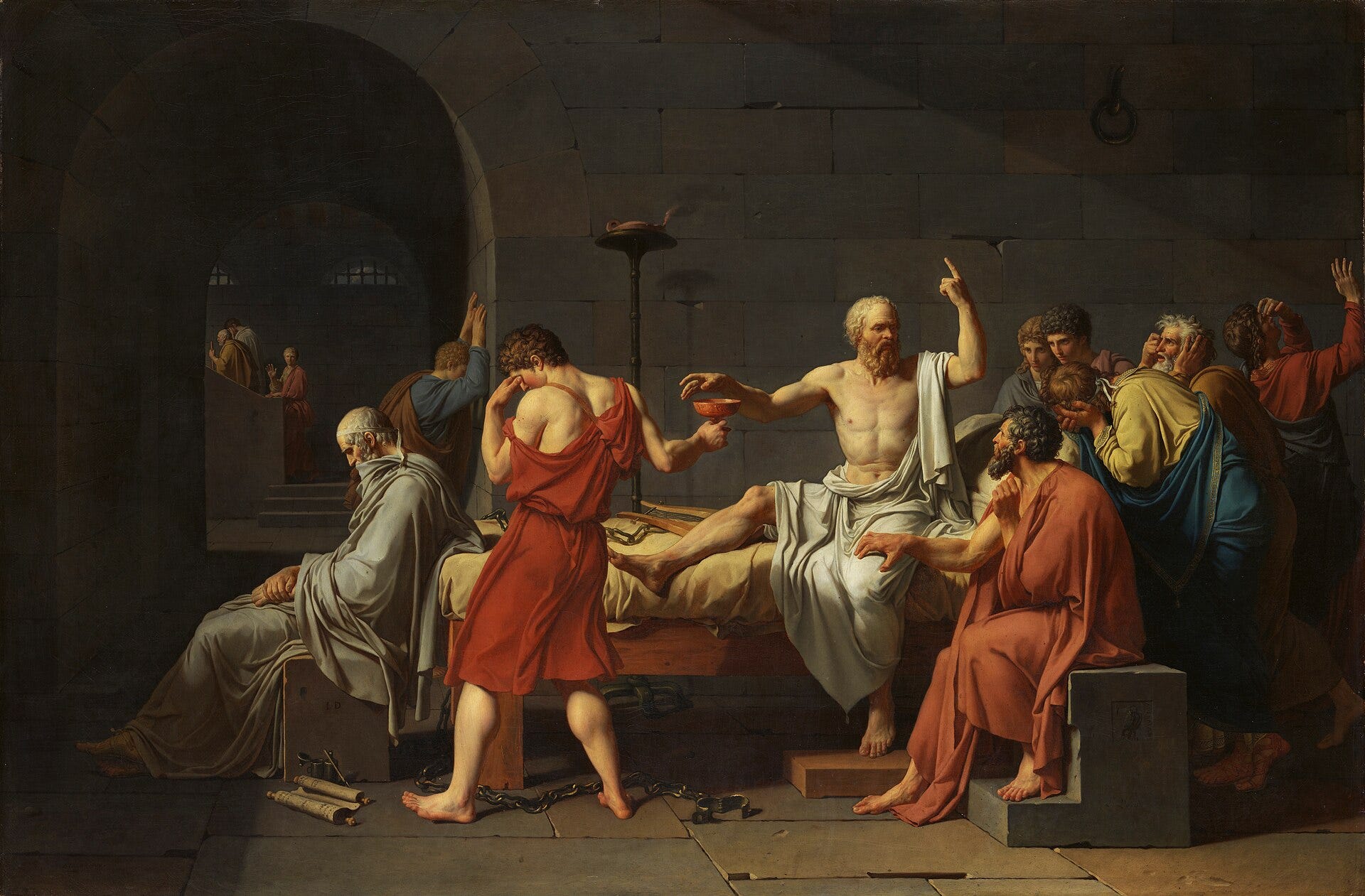
The connection here between the allegory and how the masses function today is crystal clear. Those who speak of reality are mocked, threatened, and even killed. Those who see reality don’t believe it is a pretty picture or even an ideal picture but they must tell the truth because they cannot unlearn what they have stumbled upon. Power is not a pretty reality, it is filled with some of the most reprehensible people and acts ever known or conceived of by men. But that does not mean it doesn’t exist. That does not give the masses an excuse to attack those who simply observe how power works. It is almost as illogical as attacking the cartographer because you don’t like what the map says.
But power analyzed and described is often far outside the herd approved moral framework. They cannot tolerate even the thought of something complex that can be both good and bad in unison. They cannot tolerate power because it is complex and it doesn’t have an easily identifiable moral assumption attached to it, so they label it as evil and all those who describe it as people who are also evil.
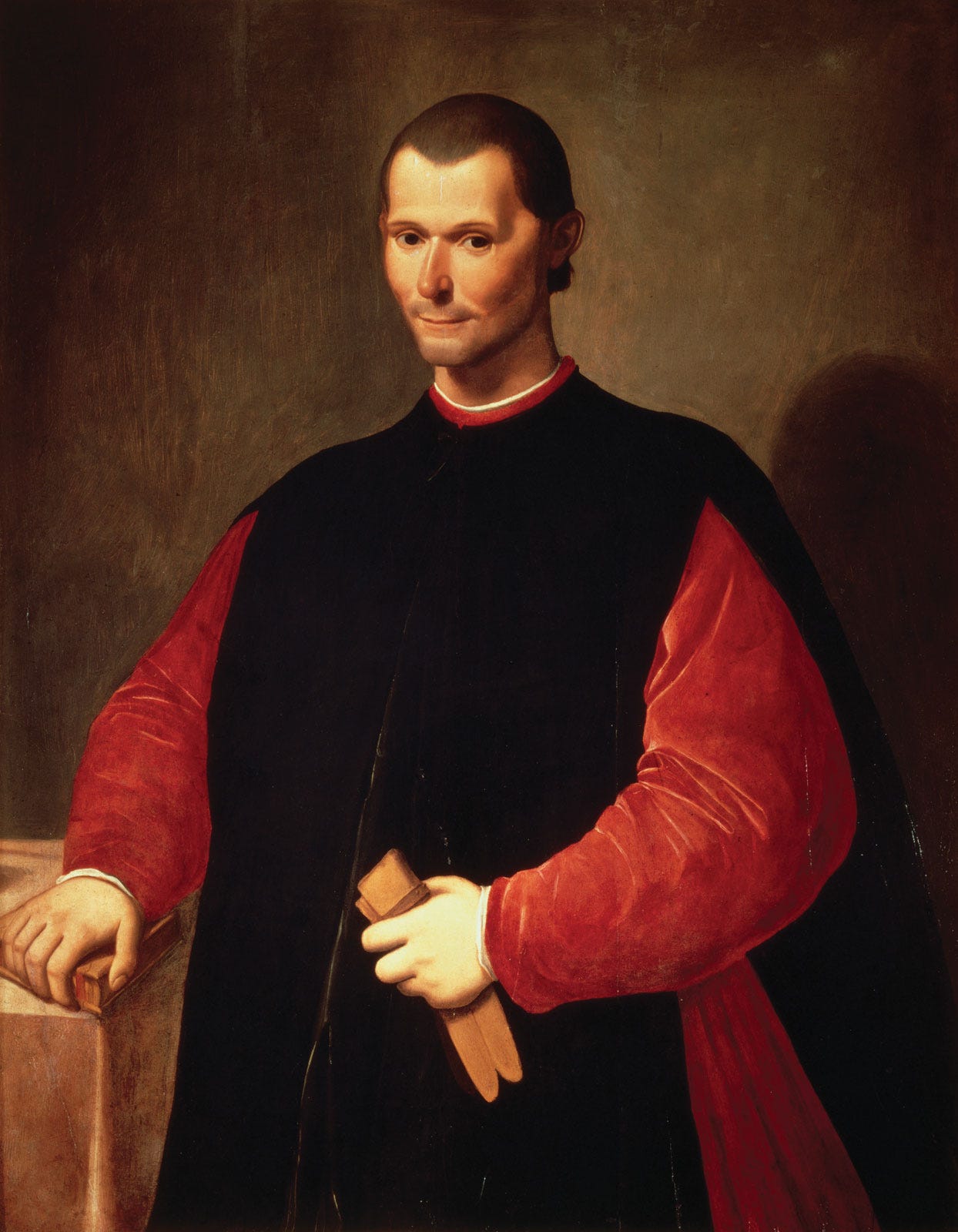
This is the legacy of Niccolo Machiavelli. The Prince is one of his shortest political works yet the only one seemingly ever cited among the public. It is a practical dissection on how power works and how to maintain power in a fractured city state by necessity, not out of malice. His other works tell a completely different story and reveal his real philosophical disposition. The Discourses on Livy is three volumes defending republican government, civic virtue, and institutional checks on power. The Art of War argues for citizen soldiers over paid mercenaries on moral and civic grounds. The Florentine Histories treat corruption as civilizational decay and ruin.
Machiavelli observed power and wrote his own observations down without flinching. Most of his philosophical works centered on the dangerous misuse of power. He never advocated for evil, he simply observed human nature at the heights of its appetites. This is inconvenient though for the many who call him evil and the father of tyrants. They hold a limited and uninformed view of his philosophy and of reality. This is the function of the herd, not to enlighten those among its ranks but to constrain their reality to fit what they deem to be moral.
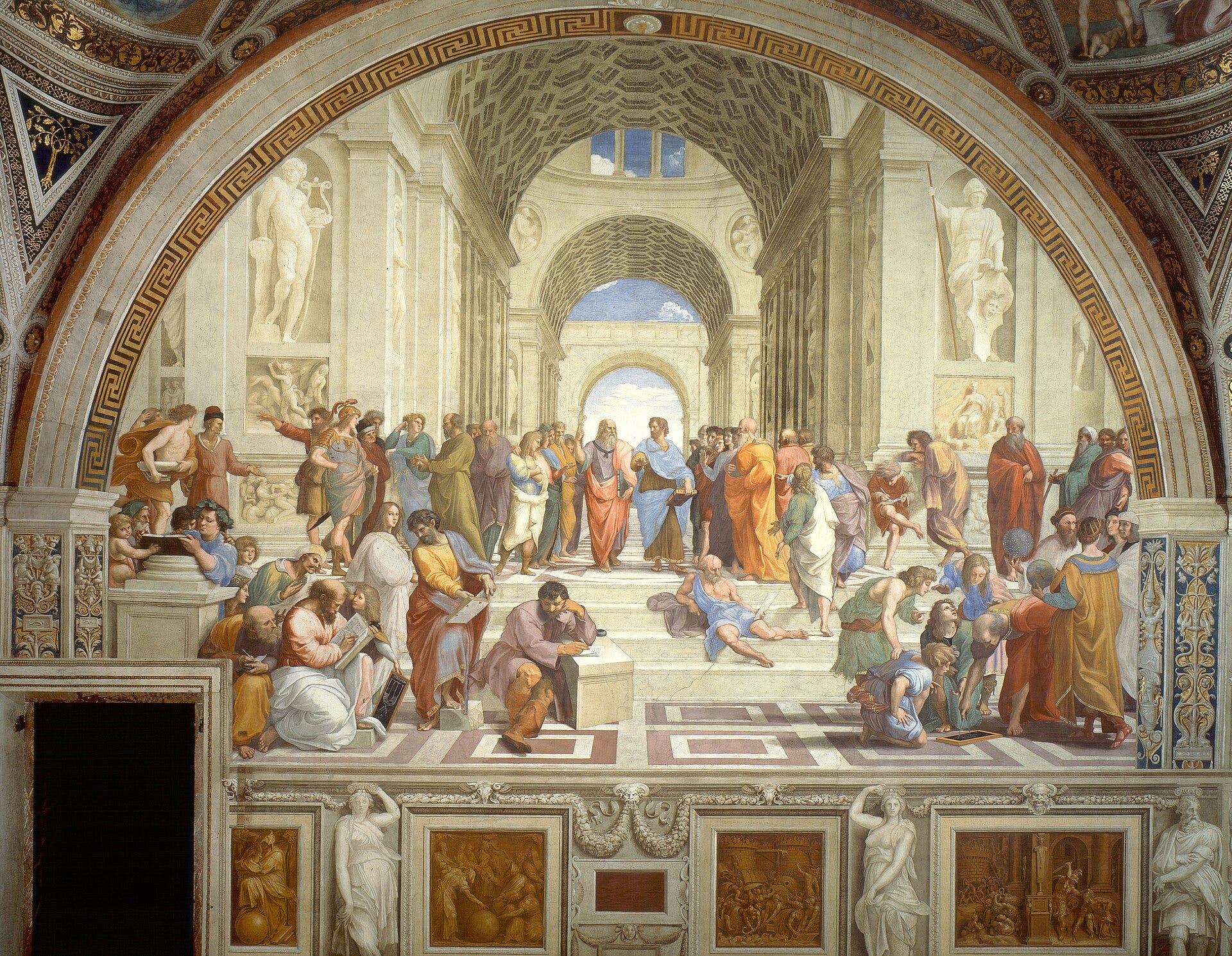
Conflation is a problem for the herd because they cannot think in great depth. They are not classically trained in philosophy, logic, and reasoning. So they must think within their own constructed mental models using heuristics. And the heuristics utilized are inherited from the masses. That inheritance comes at the cost of reason and thought. Most will never be able to break out of that prison because they will rationalize themselves into a corner of reality they find bearable. The inheritance of the herd’s assumptions is the cave.
The line about attacking the cartographer because one dislikes the map seems to carry the essay’s central force. A serious analysis of power is not the same thing as admiration for power, but public argument often collapses that distinction immediately. What interests me is the inner need behind that collapse: if the map is accurate, then innocence becomes harder to preserve. The prisoner in the cave is not only being asked to see more; he is being asked to lose the comfort of a moral world where naming the shadows was enough. That loss may explain why reality is often resisted before it is even understood, and why clarity can feel like an accusation.
Bread tastes better than key